Why build two cars when you really only want one?
It’s cheaper. It’s faster. And honestly? It’s easier to sell something that already works.
This is badge engineering. Not a scandal, just business.
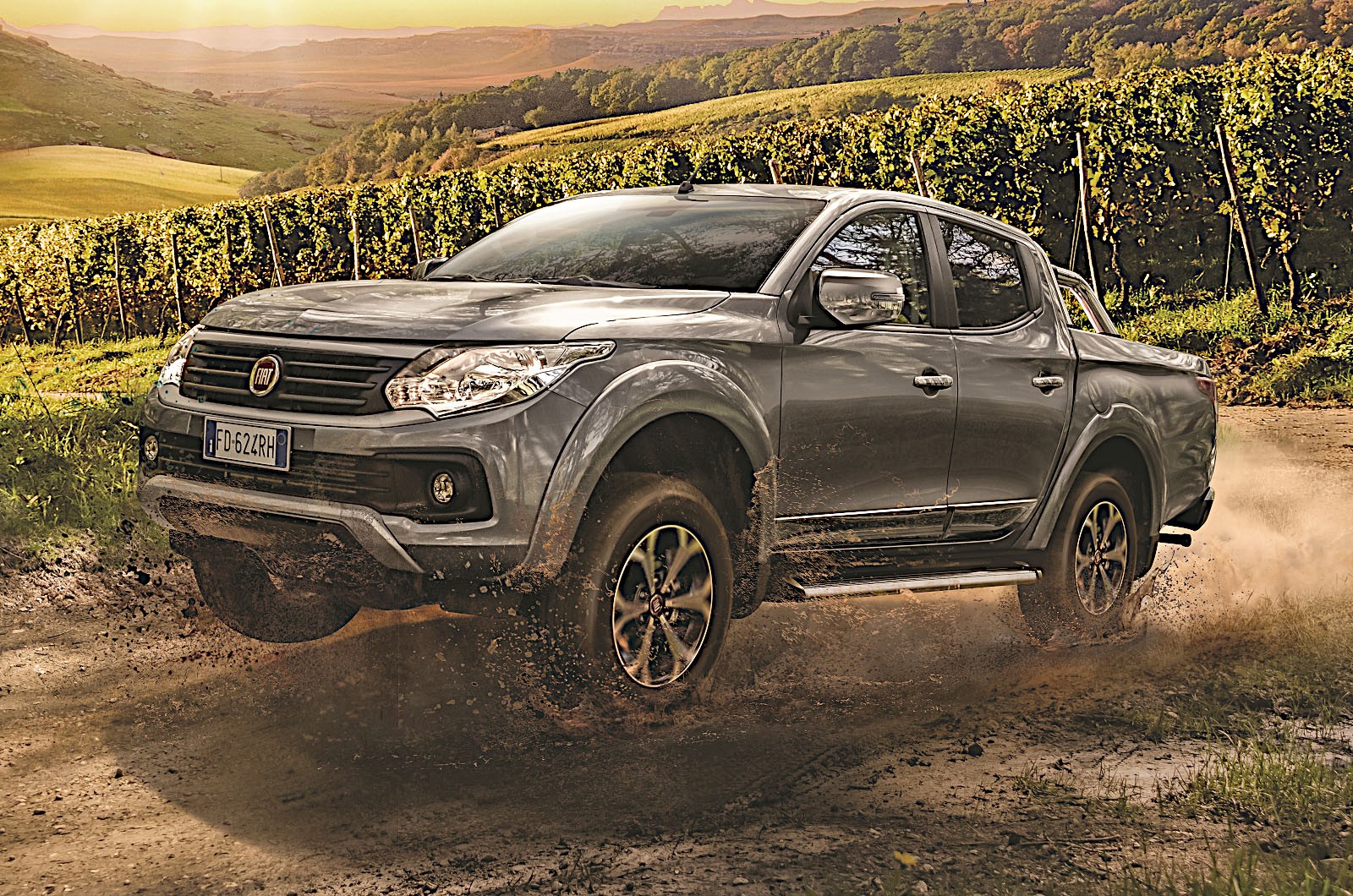
Usually, one company owns the brands. Sometimes they team up. Take the Fiat Fullback. Looks like a Mitsubishi Triton because it basically is. Built in Thailand. Same bones, different logo.
We looked at 41 examples. Just a representative slice from the ocean of rebrands.
Rules are loose. Different specs? Fine. Tweak the grille? Fine. Change the drivetrain? We let that slide too. But we aren’t diving into full platform swaps or distant cousins. We stay close.
Alphabetical order wins here. No ranking. Just names.
The GM Canadian Experiments
General Motors loved creating brands for Canada. Or at least, they liked trying.
Acadian Beaumont ran from 1962 until 1971. Sold by Pontiac-Buick dealers in a place nobody else could reach. The first car was a Chevy II in a new coat of paint. The second picture? A Chevelle with a new nameplate.
For a bit, Beaumont tried to be its own thing. GM always craved another brand identity. Eventually, only the smaller model kept the Acadian tag.
Asüna Sunrunner was the 1990s attempt. Even briefer. Asüna didn’t design cars. GM imported them from Japan and South Korea and slapped a logo on them.
The Sunrunner, Sunfire, and a sedan called either an SE or a GT.
The Sunrunner? It’s one of the most confusing cars ever made. Known globally as the Suzuki Escudo. Then the Suzuki Vitara. Then the Chevrolet Tracker. The same metal. The same engine. Different marketing departments arguing over names.
The One-Model Miracles
Sometimes a brand exists for only one car. Just one.
Alpheon. You’ve likely never heard of it.
General Motors needed to sell a second-gen Buick LaCrosse in South Korea in 2010. Buick had no presence there. Chevrolet felt wrong. The old Daewoo brand was dead.
So they made a new one. Alpheon.
It wasn’t a long-term plan. Five years later, the name vanished. GM Korea started importing the Detroit Impala instead.
Then there is Aston Martin.
Legendary. Fast. British. Expensive.
In 2011, they released the Cygnet.
It was a Toyota iQ.
Just a Japanese city car. With Aston Martin trim. A higher price. A shock to the system.
Nobody bought many of them. Aston Martin has never touched the badge-engineering tool again. Only 300 made. Rare things become collectibles. They actually hold value now. You still see them in posh London neighborhoods. A weird sight, sure. But a valuable one.
If you pay double for a badge, are you buying the car or the feeling?
Where it gets technical
Audi 50 is the final entry.
The list cuts off here. We’ve seen rebrands from Japan. From the US. From Germany. From Canada.
It’s not evil. It’s logistics.
Car manufacturing is too expensive to keep every platform separate when the market demands a variety of shapes and names. So you share. You clone. You rename.
Is it fair?
Does it matter if you own it?
The badge on the front says one thing. The parts catalog says another.
Which one feels more real to you?