Nissan is recalibrating its approach to transmissions, signaling a strategic shift in how it powers its diverse vehicle lineup. While the company continues to utilize Continuously Variable Transmissions (CVTs) for its smaller, budget-friendly models, it is moving away from the technology for heavier vehicles and high-performance icons.
The Role of the CVT in the Modern Lineup
Speaking from Nissan’s headquarters in Yokohama, Japan, CEO Ivan Espinosa clarified that the CVT is not being abandoned, but rather repositioned. According to Espinosa, the technology remains a viable and efficient choice for “light-duty” vehicles, specifically those in the C-segment and smaller.
“The [CVT] still works in small cars… We have improved the technology a lot,” Espinosa noted, suggesting that Nissan is focusing on refining the existing tech for economy-driven segments rather than attempting to force it into larger platforms.
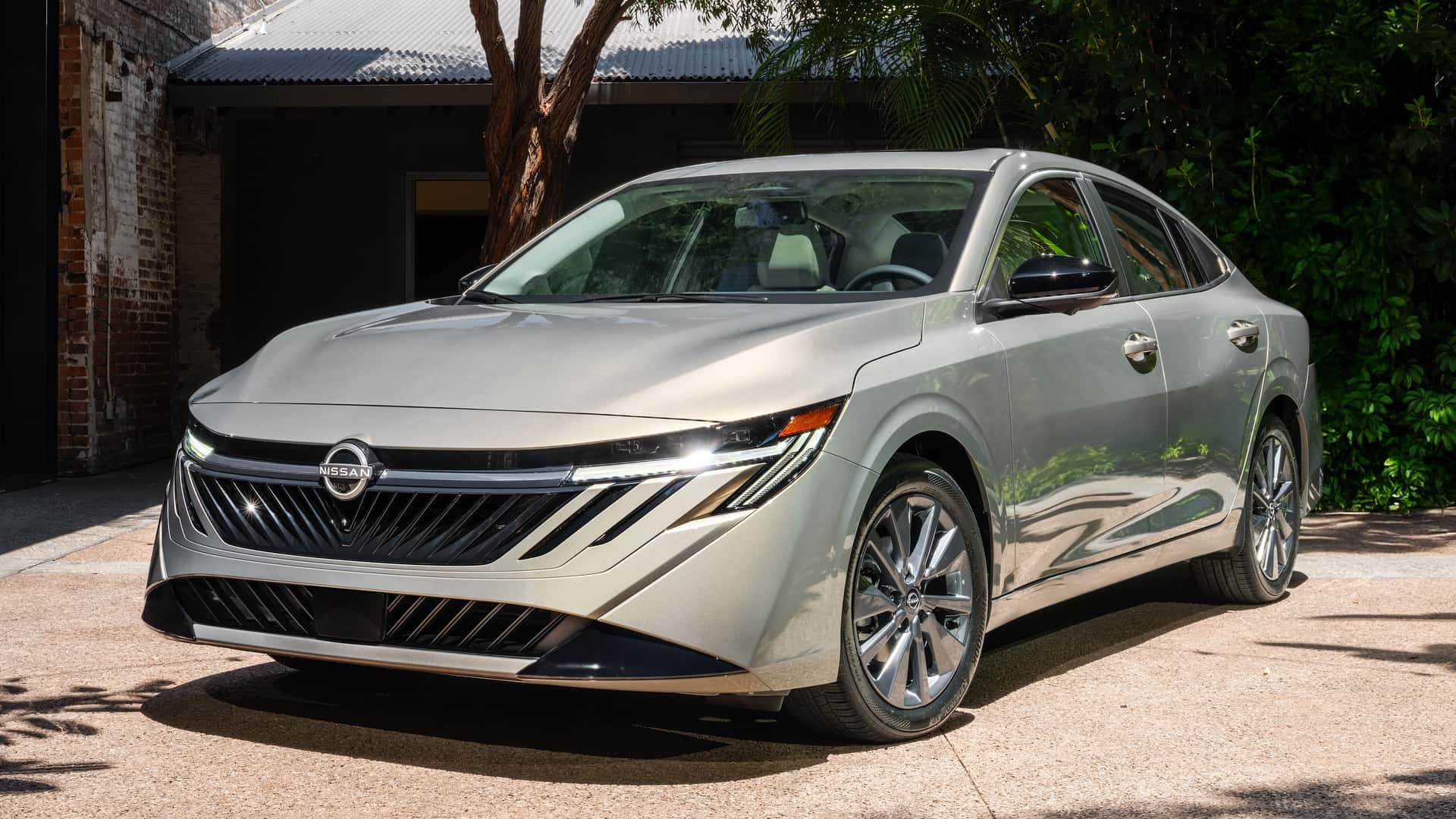
This distinction is critical for understanding Nissan’s current engineering roadmap. By keeping CVTs in smaller models like the Kicks or Sentra, Nissan can maintain fuel efficiency and lower manufacturing costs where high torque and aggressive shifting are not the primary consumer requirements.
Moving Away from Heavy-Duty and Performance Applications
The company is already executing a transition toward conventional automatic transmissions for its larger, more demanding models. This shift is a response to the inherent limitations of CVTs when tasked with managing higher weight and increased torque.
- Segment Transition: Nissan has already replaced CVTs with refined nine-speed automatic transmissions in models like the Murano and Pathfinder.
- Future Outlook: This trend is expected to extend to other heavy-duty models, such as the Xterra.
- Performance Integrity: Espinosa was explicit regarding Nissan’s legendary performance names. He stated firmly that a CVT would never be used in a Skyline, emphasizing that performance-oriented vehicles require the mechanical engagement that only traditional gearboxes can provide.
This strategic pivot addresses a long-standing pain point for the brand. Nissan has faced significant scrutiny and legal challenges regarding CVT reliability, including a recent $3 million class-action settlement involving Maxima and Murano owners. By moving to traditional automatics in these larger segments, Nissan is likely attempting to restore consumer trust and improve mechanical durability.
A Vision for Affordable Sportiness
Espinosa also hinted at a desire to return to Nissan’s roots of creating dedicated enthusiast vehicles. Rather than attempting to “spice up” economy cars with performance trims (such as a “Spicy Sentra”), he suggested a focus on creating truly affordable sports cars—potentially reviving iconic names like the Silvia.
This indicates a broader philosophy: using CVTs for efficiency in commuter cars, while reserving sophisticated, multi-speed automatic transmissions for the power and durability required by larger SUVs and enthusiast-driven sports cars.
Conclusion
Nissan is adopting a segmented transmission strategy: leveraging the efficiency of CVTs for small, light-duty cars while transitioning to traditional automatic transmissions for heavier vehicles and performance models to ensure reliability and driving engagement.