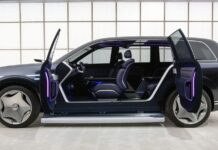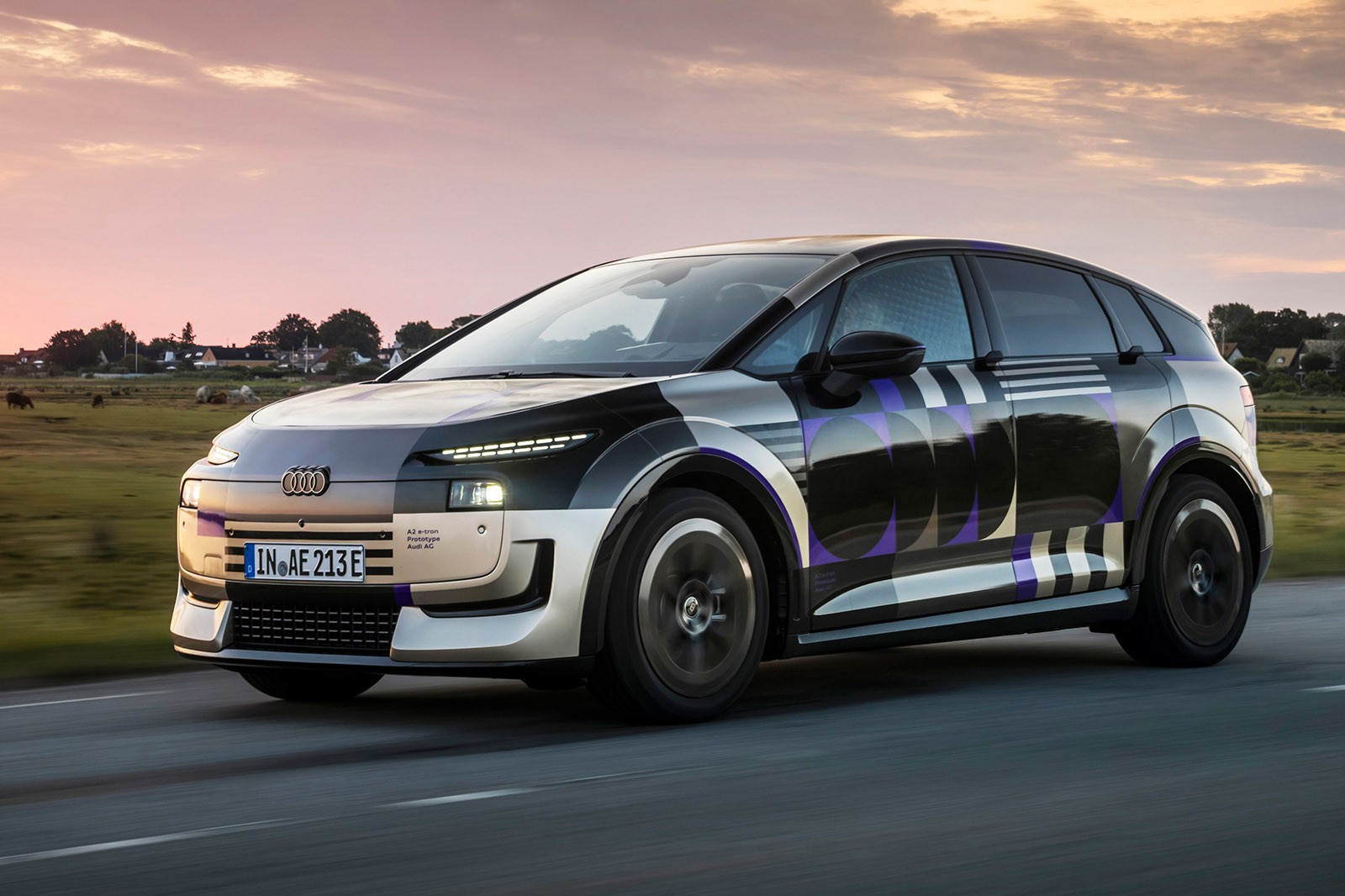
The original Audi A2 was a weird beast. It used an all-aluminum spaceframe to make a tiny, fuel-efficient hatchback that defied physics and logic in equal measure. It was a cult favorite now, sure, but back when it launched? It was a commercial failure. It didn’t make Audi money. It was too radical.
So why bring it back?
Audi claims it didn’t start with a retro brief. No nostalgic nods. The actual goal was simpler: build an EV smaller than the Q4 e-tron, squeeze every drop of range from a small battery using extreme aerodynamics. The shape just happened to look like the old A2. Coincidence? Maybe. Or maybe it’s just the logical end-point of drag coefficient optimization.
Short nose. Blunt front. Monolithic body.
The goal was to keep air moving smoothly without forcing it to change direction unnecessarily. A teardrop silhouette cut flat for rear passenger space. Split rear window for visibility. It makes sense on paper. It makes less sense when you realize you’re no longer building a science project.
Platform choices and the cost of reality
You can’t replicate the aluminum spaceframe of the 2000s. Making a profitable, affordable car requires a different path. The new A2 E-tron rides on Volkswagen Group’s MEB platform. Specifically, the updated version of it.
This means the A2 is essentially Audi’s version of the ID.3. Similar size. Similar soul. Different badge.
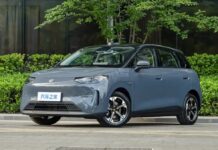
Audi isn’t releasing exact dimensions yet, but the footprint suggests it’s a direct rival to the Renault Megane E-Tech, Volvo EX30, Mini Countryman E, and the Cupra Born. These are the premium-ish crossovers and hatches filling the void left by the departure of the A1 and the aging Q2.
Under the skin, there are real improvements over standard MEB cars.
The mid-tier battery option now uses lithium-iron phosphate (LFP) chemistry. No more nickel-manganese-cobalt. What does that mean for you? You can charge to 100% regularly without degrading the battery health. That’s a huge quality-of-life upgrade for daily commuters who don’t want to babysit charge limits.
Then there’s the new APP350 electric motor. Thinner materials. Thinner oil. A separate oil pan so gears don’t splash through a constant bath of lubricant. Less drag. More efficiency. Small changes. Big impact on range.
What’s inside the camouflage
You can’t see much yet. The interior is still under wraps. But a quick peek reveals Audi isn’t trying to reinvent the wheel here. The cabin feels far closer to recent Audis like the Q3 than it does to the Volkswagen ID.3.
Digital screens. Familiar steering wheel. Column stalks that feel like they were rescued from a 1980s Citroën.
It’s intuitive. It’s solid. But it lacks that tactile joy of older Audi interiors. There are almost no physical controls. Just screens. Thick bezels that remind you uncomfortably of a first-generation iPad.
Door panels and dash feature knitted fabrics similar to those found in modern Minis. Pleasant to touch. A bit austere. Very black. It suits the brand aesthetic. Does it feel more premium than a Renault Megane? Hard to say from a glance. It feels solid. But maybe not that much more expensive.
Why this matters now
The EV market is shifting. Buyers want range. They want affordability. They want something that doesn’t look like a spaceship but drives like one. The original A2 was too expensive to be practical. The new A2 has to be the opposite.
It has to replace the A1 and Q2 indirectly. It has to compete with the Megane and EX30 directly.
Is it revolutionary? No. It’s based on proven tech. It’s using standard MEB underpinnings. But efficiency is the new luxury. If Audi can make this car efficient enough to justify its price point and practical enough to replace the forgotten A1, it might actually sell.
The retro styling is a hook. But the substance is the battery chemistry and the aerodynamics.
Will it work? Only time will tell. The market is crowded. The Megane is strong. The EX30 is disruptive. The Mini is stubborn. Audi has to be better than just a rebadged VW. It has to be a true Audi. For now, it feels like a compromise. But sometimes compromise is the only way to get the car on the road.
The A2 is back. Just not in the way you might remember.