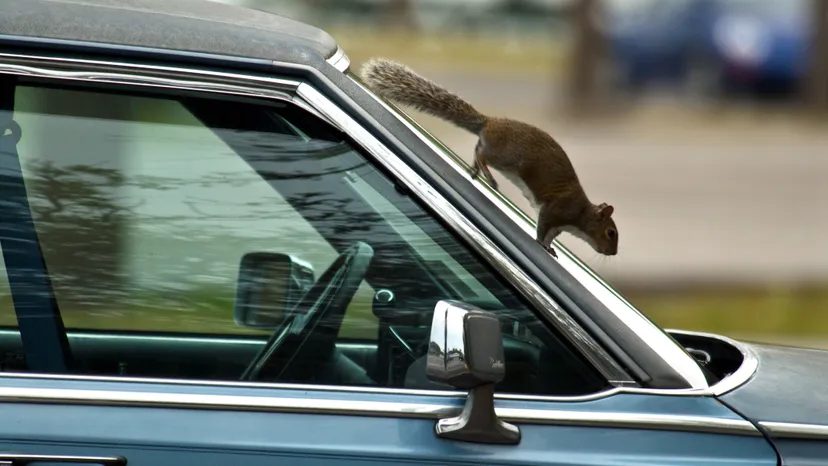
That hit of funk when you open your car door is visceral. It’s not just bad; it’s a freight train of decay. The culprit is likely a small creature that sought warmth in your engine bay and got ground up by the works. Hanging a pine air freshener won’t fix this. You need a plan.
Wild animals—mice, rats, chipmunks, squirrels, opossums—treat under-the-hood spaces like luxury condos. Especially in winter. They nest in snug corners. They chew electrical wiring to sharpen their teeth. If you have comprehensive car insurance, you’re probably covered for the wiring damage. It’s common enough that a mechanic at a busy California Mercedes-Benz dealership reported finding droppings, paw prints, and empty shells on practically a daily basis in 2014. Sometimes, a live rat would just leap out of the hood.
But what if it dies inside? You won’t know until the smell hits.
Finding the Critter in the Engine Bay
Engine compartments are tight. Machinery is oddly shaped. Hiding spots are plentiful. If the animal was caught by the fan belt or crankshaft, bits and pieces may be embedded in hard-to-reach spaces. Finding the body is half the battle.
If you spot it, wear gloves. The CDC recommends soaking the carcass in a disinfectant solution of 1 part bleach to 10 parts water for five minutes. Then double-pack it in sealable plastic bags. Dispose of it in a garbage can that gets emptied regularly.
Can’t reach it? Or is the mess too complex? Call your local service station or body shop. Break the news gently. They have the tools to extract the remains and clean the debris without tearing your engine apart.
Getting Rid of the Funk
Once the body is gone, the smell remains. Bacteria left on surfaces after decomposition produce the stench. Don gloves again. Scrub all surfaces that had contact with the creature. Use a commercial disinfectant or diluted bleach. Let the car air out.
This is where it gets tricky. If the animal died near your air filter, it’s over. Rodents love ripping up air filters for nesting material. If it died in the ventilation system, the bacteria dispersed throughout the passenger compartment. DIY cleaning might not cut it.
“Cigar smoke is the worst,” says Frank Simmons, founder of The Odor Doctors.
Simmons specializes in removing lingering odors. He’s seen rodents climb into air conditioner evaporator units and trap the stench inside. His process is specific. First, saturated dry steam. That’s ultra-hot steam at 360°F (182°C) directed at all surface bacteria. It melts the funk away. Second, a deodorizing agent. Finally, an antimicrobial treatment. If the smell persists, professionals are worth the call.
Insurance to the Rescue
Worst case? You’ve sanitized the engine and interior. The car still smells like death. Who buys a vehicle that reeks of a decomposing opossum?
Your insurance carrier might write it off. Check with your provider. Allstate spokesman Justin Herndon confirmed that an animal dying inside an engine can qualify as a covered loss. It’s not just physical damage to the engine. Decomposing fumes count as a biohazard.
“Insurers would try to repair the damage and fix any smell through washing and detailing a vehicle as needed, but it is possible a vehicle could be totaled because of this situation,” Herndon wrote. Claims are case-by-case. But yes, you can potentially get a check for the cash value of the car.
Prevention Strategies
To keep animals out, park in a garage. Remove food sources. Bags of dog food. Garden seed. Animals seek safe spots to hoard food. They mistake engine compartments or ventilation systems for burrows. Clear the perimeter. Clear the food.
Dead Animal Smell FAQs
Will vinegar get rid of dead animal smell?
Yes. Place a bowl of baking soda and vinegar near the contaminated area. It helps absorb the smell.
Can the smell of a dead mouse be harmful?
No. The smell is nauseating, but odors don’t contain bacteria larger than the molecules making up the stink. The odor itself won’t make you sick.
Will the smell of a dead mouse keep other mice away?
When rodents die in a trap, the decomposing smell alerts others. If you bait the same trap, the scent could repel other mice.
Will lime get rid of dead animal smell?
Agricultural lime is a known method for neutralizing dead animal odors.