Electric vehicles dominate the conversation about green transport, but the reality is messier than marketing copy suggests. Are EVs actually cleaner than gas cars or hydrogen fuel cells? Why is the price tag so high? We are breaking down ten critical questions that define the current state of electrified driving.
Why Electric Cars Vanished for a Century
Electric cars didn’t just appear out of nowhere. They predate the internal combustion engine. Thomas Davenport built the first practical electric car in the 1830s. So why did gasoline take over?
Two factors killed early EVs. Range was poor. Gas cars could go farther. Then Henry Ford solved the cost problem with the Model T. Mass production made gas vehicles cheap. Electric cars became a niche luxury for the wealthy before disappearing almost entirely for nearly 100 years.
Are Electric Cars Cleaner Than Gas or Hydrogen?
Yes. Generally. But it depends on your grid.
Electric vehicles don’t emit tailpipe pollutants. That sounds clean until you trace the electricity back to its source. If your power plant burns coal, you are still part of a pollution cycle. You just moved the emissions from the road to the stack.
“It’s easier to control emissions on a single point of origin — the power plant — than it is on a fleet of vehicles on the road.”
This centralization makes regulation simpler. Plus, you aren’t locked into fossil fuels. Hydro-electric, solar, and wind can power your drive. Hydrogen vehicles face similar grid questions regarding production methods.
Is Charging Infrastructure Ready?
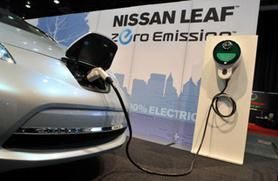
Most drivers clock fewer than 50 miles a day. That fits comfortably within the range of most modern EVs. You can recharge at home overnight. That is where 90% of your charging will happen.
Public stations exist in parking facilities. They offer a boost. But we are nowhere near a nationwide network that rivals gas stations. You still need to plan trips longer than your daily commute.
How Far Can You Actually Drive?
Range anxiety is real for a reason. Typical EVs travel between 50 and 80 miles on a single charge. That is enough for daily errands. It fails for cross-country road trips.
If you want serious range, look at the Tesla Model S. It hits up to 300 miles per charge. That changes the equation. But not every manufacturer offers that kind of battery pack.
Battery Lifespan and Reliability
Not all batteries are created equal. Lead-acid batteries, common in gas cars, might last a year under heavy stress. Lithium-iron-phosphate batteries tell a different story. They can last up to 10 years or more.
This longevity matters for long-term value.
Electric cars are also highly dependable. They have fewer moving parts than internal combustion engines. Fewer parts mean fewer things to break. If they are built properly, an EV is just as reliable as a gas car. Maybe more so.
Safety and Maintenance
EVs must meet the same federal safety standards as gas vehicles. You don’t have to worry about hauling gallons of combustible fuel in the trunk. The risks are different, not necessarily higher.
Maintenance is simpler. You still need tires, brakes, and wipers. You still need to replace the battery eventually. But there is no oil change. No spark plugs. No transmission fluid flushes. Just regular upkeep.
Why Are They So Expensive?
Batteries cost money. Replacing one runs into the thousands. But the sticker shock isn’t just about materials.
It is about market dynamics. The price is what the market will bear. Demand drives the cost up just as much as production costs. You are paying for the technology tier and the brand prestige.
Does It Make Financial Sense?
The math is tricky right now. EVs usually cost more upfront than gas counterparts. Battery replacement later costs thousands.
However, electricity is cheaper than gasoline. You save per mile. Some regions like California offer massive tax incentives and rebates. Those credits can erase the initial price gap.
Calculate your local energy costs. Check your rebate eligibility. Then look at the total cost of ownership.
“On the other hand, electricity is cheaper than gasoline and you’ll usually save money on a per-mile basis.”
For some, the math works immediately. For others, it takes years. The transition is still happening. The infrastructure is still catching up. The technology is still evolving.
What happens when the grid finally goes green everywhere? And will battery prices drop enough to make EVs the default choice? Those answers aren’t here yet. We are just getting started.