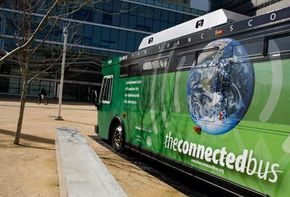
You probably rode on one today. If you navigate New York, Chicago, or San Francisco on public transit, you’ve likely sat in a diesel hybrid bus without knowing it. The tech is already here. It’s not a concept. It’s the workhorse of heavy transport.
Why diesel? Torque. Massive, low-end torque. Heavy vehicles need to haul weight. Lots of it. Buses and large trucks don’t care about zero-to-sixty times. They care about moving thousands of pounds of steel and passengers from point A to point B.
But the engine doesn’t always work alone. These buses use hybrid systems. Parallel or series. The goal is the same. Assist the diesel. Reduce the strain.
How Series Hybrids Power San Francisco Buses
San Francisco made its move early. The hybrid bus system debuted in April 2007. They chose a series hybrid setup.
Here is the breakdown. The diesel engine does not turn the wheels directly. It turns a generator. That generator makes electricity. The electricity powers electric drive motors. Those motors propel the bus.
It’s a chain of energy conversion. Diesel fuel becomes mechanical rotation. That becomes electricity. That becomes motion. The wheels are driven by electrons, not pistons.
Parallel Hybrids in King County, Seattle
Seattle’s King County Metro Transit took a different path. Their buses run on a parallel hybrid system.
The powertrain blends sources based on speed. Low speeds? Mostly electric. It’s quiet. It’s clean. Medium speeds? A mix. The diesel kicks in to help. High speeds? Mostly diesel. The electric motor takes a backseat.
This approach mimics how traditional driving feels. You get electric assistance when you need it most—stop-and-go traffic. But the diesel handles the heavy lifting at highway speeds.
The Fuel Math and The Cost Problem
The sales pitch is simple. Lower emissions. Better fuel efficiency.
In Seattle, King County reported real-world numbers. The hybrid buses averaged more than 4 mpg (1.7 km/l). Compare that to the conventional diesel buses in the same fleet. They get 2.6 mpg (1.1 km/l).
That is a significant jump. Nearly double the range on a tank of fuel.
But there is a catch. Price.
These buses cost hundreds of thousands of dollars more than standard models. The initial investment is steep. Transit agencies operate on tight budgets. They have to justify every dollar.
Do The Numbers Actually Add Up?
It’s complicated. Some argue the extra cost never gets recouped.
Reports from Seattle suggest the hybrids didn’t hit their projected fuel economy targets. In some cases, they performed worse than standard diesel buses. The variables are complex. Traffic patterns. Driver behavior. Route topography. Battery degradation.
It mirrors the debate over diesel hybrid cars. The upfront cost is high. Can you truly argue the fuel savings offset the purchase price over the vehicle’s lifespan?
The data is messy. The reality is often different than the brochure.
We will look at concept cars next. But right now, the diesel hybrid is in your city. It’s just a question of whether the math makes sense for the agency running it.