They look similar from the outside. Both diesel and gasoline engines are internal combustion machines. They burn fuel. They push pistons. They eventually spin the wheels. But underneath the hood, the mechanics diverge sharply.
Diesel engines run leaner. They squeeze more energy out of every drop of fuel. The difference starts with ignition. Gasoline engines use spark plugs to light the fire. Diesel engines have no spark plugs. Instead, they rely on brute force. Air is compressed inside the cylinder until it gets hot enough to ignite fuel on contact.
Fuel delivery is where the real split happens. Older gas engines used carburetors. Modern ones use port injection. Diesel engines use direct injection. Fuel is shot straight into the combustion chamber under massive pressure. This setup makes diesel engines more durable. They produce more torque. They sip fuel. But they are louder. They struggle to start in freezing weather. They cost more to build.
If you want the nuts and bolts of how compression ignition works, you need to look deeper. But for now, understanding direct injection explains why these engines feel different under the pedal.
How Hybrid Systems Combine Power Sources
Hybrids don’t just add electric motors to gas cars. They integrate them. The goal is simple: beat the limits of a standalone internal combustion engine. You get better fuel economy. You get two power sources working together.
Most hybrids use a gasoline engine paired with an electric motor. That motor draws from a large battery pack. But how they connect varies.
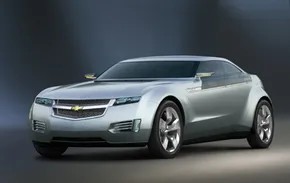
Series hybrids isolate the gas engine. The engine never touches the wheels. It acts as a generator. It charges the batteries. The batteries power the electric motors, which turn the wheels. Think of the Chevrolet Volt (in its earlier series-dominant mode). The gas engine is just a range extender.
Parallel hybrids are more common. The car can run on gas alone. It can run on electricity alone. Or it can use both. The system switches based on demand. Low speed? Electric motor. Hard acceleration? Gas engine kicks in. The Toyota Prius is the poster child for this design. It prioritizes electric power at low speeds, then blends in the gasoline engine for passing or highway cruising.
Most hybrids on the road today are parallel hybrids. The systems discussed here follow that parallel format. They try to do it all.
The Missing Link: Diesel Hybrids
We know how diesel engines work. We know how parallel hybrids function. So why aren’t diesel hybrids everywhere?
The technology exists. The logic holds. Diesel efficiency meets electric torque. The result should be staggering fuel economy. Yet, they aren’t on the roads yet. The barriers are technical and economic. Emissions standards play a role. Cost is a bigger one.
In the next section, we’ll break down what it takes to build a diesel-powered hybrid. We’ll look at why manufacturers hesitate. And we’ll examine the CARB Standards that shape every decision.