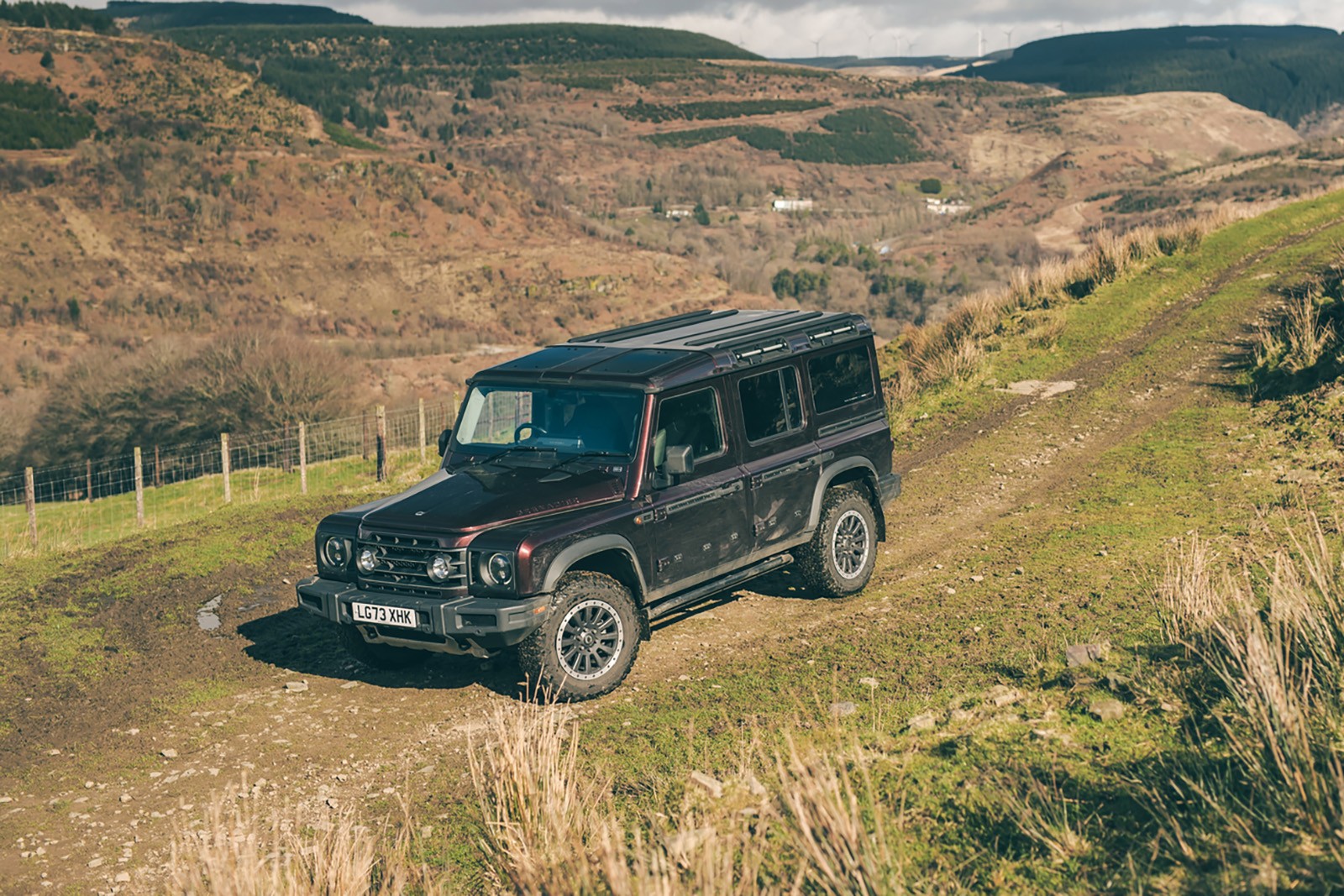
The Ineos Grenadier arrives with a clear mission: to prove it is a rugged, dependable, and uncompromising 4×4. Unlike many modern vehicles that masquerade as off-roaders while being built on soft SUV platforms, the Grenadier is a purpose-built machine. To truly test this claim, we are embarking on a long-term ownership trial, starting with a vehicle that already has 10,000 miles on the odometer.
Purpose-Built Engineering vs. The Modern SUV
It is vital to distinguish between a standard SUV and a true 4×4. While most modern SUVs prioritize road comfort and aerodynamics, the Grenadier prioritizes mechanical durability and off-road capability. This distinction is evident in its fundamental architecture:
- Body-on-frame construction: It utilizes a separate body and chassis, a hallmark of heavy-duty utility vehicles.
- Live axles: Both the front and rear feature live axles, providing better articulation during technical off-roading.
- Mechanical locking differentials: This specific Fieldmaster trim includes three manually lockable differentials to ensure traction in the most demanding terrain.
- Low-ratio transfer case: Designed specifically for crawling rather than high-speed cruising.
By choosing partners like Magna Steyr for development and Carraro for its specialized “off-highway” drivelines, Ineos has opted for a “best-in-class” approach to hardware, prioritizing mechanical toughness over digital gimmicks.
Performance and Powertrain
Under the hood, the Grenadier relies on proven German engineering. It is powered by a BMW-sourced 3.0-litre turbo petrol engine, delivering:
- Power: 282bhp at 4,750rpm
- Torque: 332lb ft (available from a low 1,750rpm up to 4,000rpm)
- Transmission: An eight-speed automatic gearbox
The wide torque band is a critical feature for off-road driving, allowing the vehicle to maintain steady, controlled movement at low speeds without constant gear hunting.
The Challenge Ahead: Daily Utility and Extreme Testing
A vehicle’s true value is defined by its versatility. At a base price of £76,140 (before options), the Grenadier cannot afford to be a niche tool used only on weekends. To justify its premium price tag, it must excel in two distinct environments:
- The Daily Grind: It must handle the mundane realities of life, from rural commutes to managing livestock and navigating unpaved country roads.
- The Extremes: It must be pushed far beyond its “comfort zone” to see if its rugged components hold up under genuine stress.
The goal of this trial is to see if the Grenadier is a specialized tool that is too much for daily life, or a versatile powerhouse that can truly do it all.
Conclusion
The upcoming months will determine whether the Ineos Grenadier is a legitimate successor to the classic utility vehicles of the past or simply an expensive specialist. We will be testing whether its heavy-duty engineering translates into practical, everyday reliability.