It’s 23:45. I just finished a double shift. you are exhausted. There are classes in the morning. You fumbled for your keys. It will snow.
Get in the car. The engine is running. This is mandatory. It starts. Allow it to heat for 1 minute. Start driving. The heater prevents freezing. Then the radio stopped.
The dashboard light dims. Just a little. Keep driving.
Finally the radio stopped. The heater has stopped working. The heat gradually disappeared. It’s getting colder outside. Headlights are flashing. you start to worry. You are only 15 minutes from the house.
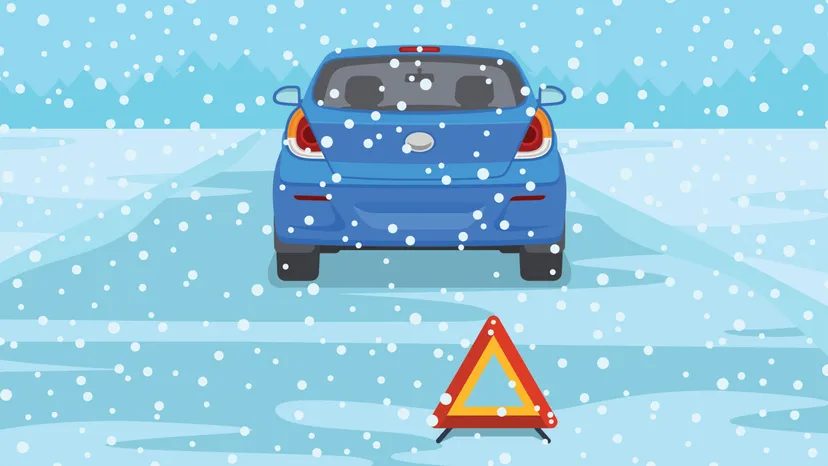
Headlights dim and are dangerous. The engine started to fail. It died five miles from home. everything dies. You land on a curb. You take out your phone. It died. The instruction will appear when you turn on the power. There is no electricity. It’s past midnight already. you are trapped.
This is what happens when the alternator is about to fail. The first thing to consider is the battery. You are right. Battery and alternator are connected.
Difference between battery and alternator failure
Most people think that when a car breaks down, it means the battery is dead. Things are not always that simple. Batteries store energy. It provides the initial spark to start the engine. It can also use accessories when the engine is turned off.
The alternator is a generator. It generates electricity when the engine starts. It charges the battery. It also powers the electrical system.
If the battery gets weak, the car won’t start. The lighting can be very dim. However, if the alternator fails, the car can only run for a short time. That is the end. The battery is completely empty. The electrical system collapsed.
You may notice several symptoms before your car is stalled. A typical sign is dimming of the headlights when idling. The radio’s power failure is also one of the reasons. If the voltage drops, the motor may cut or stop.
Warning signs of alternator damage
That doesn’t mean you’re always in trouble. In some cases, a warning may appear. When you’re tired, it’s easy to miss these signs.
Headlights are dim or flickering. This is one of the most common symptoms. The headlights may shine brightly when the engine is revving. It gets dark when idling.
**Dashboard warning light. ** Many cars have battery lights. This does not necessarily mean that the battery is bad. This could mean that there is a malfunction in the charging system. Check for electrical problems.
**Strange noises. ** A bad alternator causes noise. It might sound like you’re grinding or whining. This is usually caused by worn bearings.
**Electrical problems. ** The radio may lose power. Electric windows may move slowly. Cold air can be blown out of the heater. These are all signs of low voltage.
**Difficult to start. ** If the battery cannot be charged properly, the power is low. You may need to start your car frequently.
If you have any of these symptoms, don’t ignore them. The car may still be roadworthy. But it doesn’t go very far.
Why it is important to act quickly
Ignoring a faulty alternator is dangerous. You will end up in trouble. This is the obvious part. The less obvious part is the damage to other areas