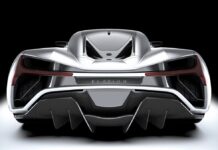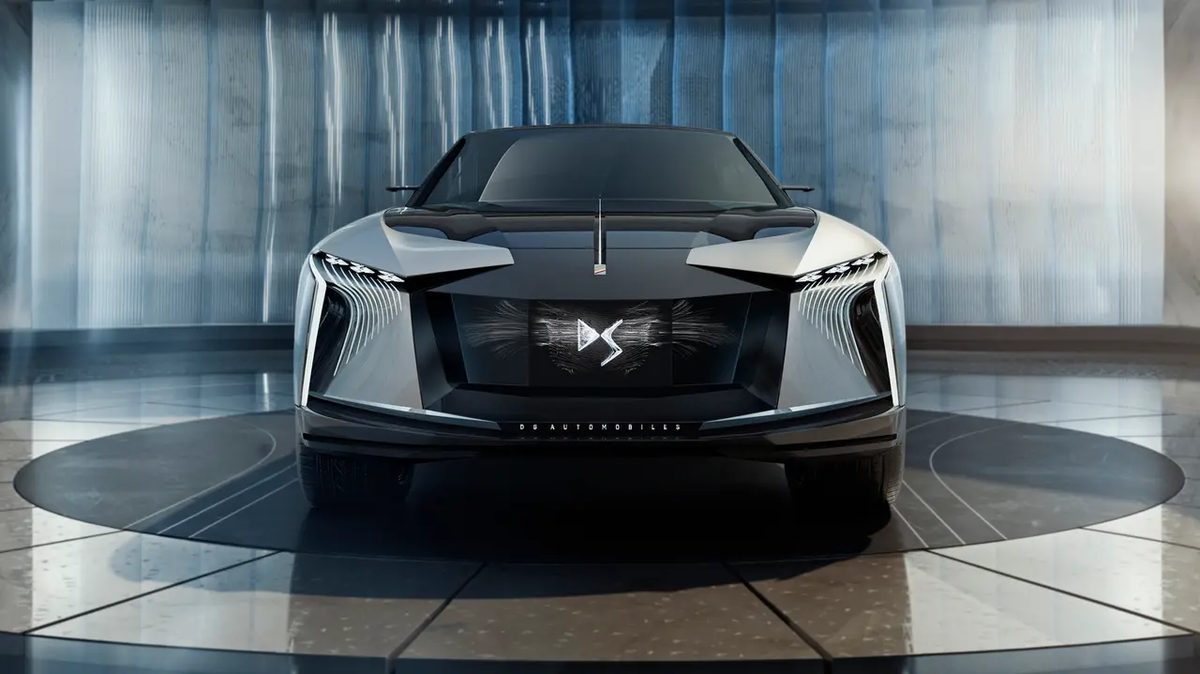
The Geneva Motor Show countdown has begun, and DS Automobiles just threw a curveball. Instead of a production car, they unveiled the DS Aero Sport Lounge. It is a concept. It is 100 percent electric. And it looks like it was carved out of pure speed.
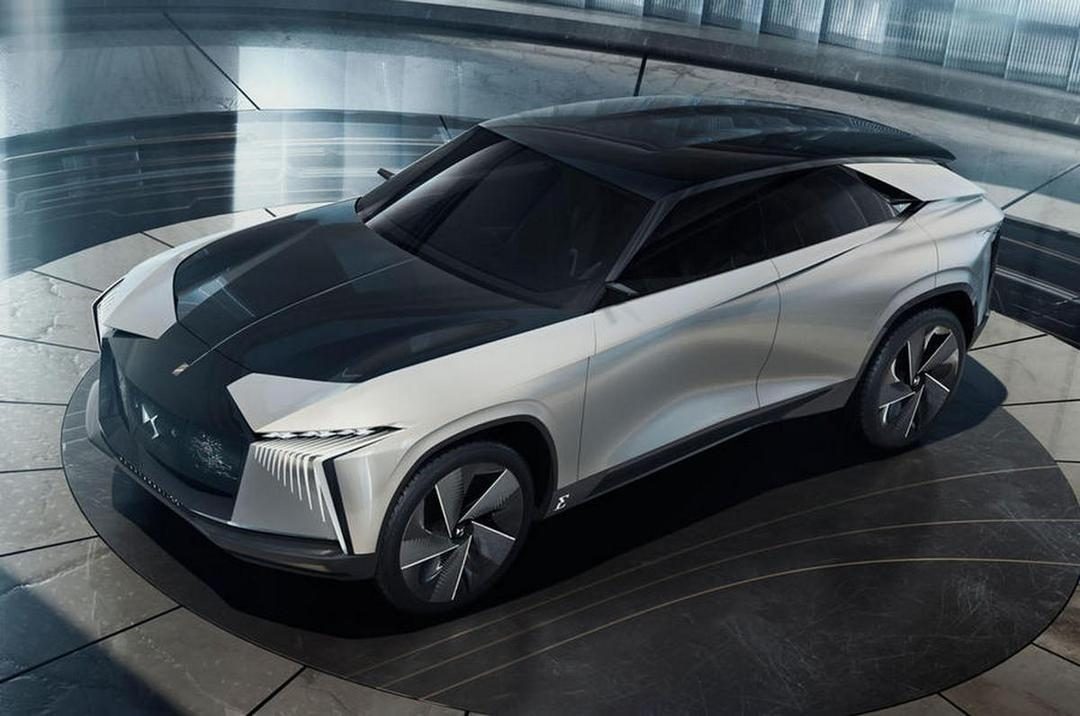
This is not your typical SUV. The design philosophy here is brutal in its simplicity: aerodynamic efficiency. Every curve serves a purpose. The roofline plunges sharply toward the rear, slicing through the air rather than fighting it. Side appendages channel airflow around the body, reducing drag and turbulence. The result is a sculpted body that balances sharp, aggressive lines with fluid motion. It looks fast even when standing still.
DS refuses to share the coefficient of drag (Cx). They want you to believe in the form without giving you the math. Good luck proving them wrong.
The Face of the Machine
Look closely at the front. That is not a traditional grille. It is a screen. A composite glass panel displays the DS logo while hiding the real intelligence of the machine.
Behind that glass, sensors are hard at work. They read the road in real-time. The data flow is massive. Teraoctets of information feed directly into the vehicle’s computers. This creates a digital nervous system that processes the environment before the car even moves.
But here is the catch. DS does not explain what they intend to do with all that data. Is it for autonomous driving? Battery management? Or just to look cool while you wait at a red light? The manufacturer stays silent. It is a black box of connectivity wrapped in a stylish shell.
Why It Matters
This concept signals a shift. DS is moving away from mere styling exercises. The Aero Sport Lounge is about integration. The tech is not an add-on; it is structural to the design. The sensors are not bolted on; they are baked into the composite materials.
For an enthusiast, the lack of specs is frustrating. We want to know how efficient the airflow management actually is. We want to know the range implications of that sleek profile. But DS is playing a different game. They are selling the vision of a connected, electric future where form and function are indistinguishable.
The question remains. Does the car know you are watching? The sensors suggest yes. The lack of explanation suggests it does not care.
Formula E DNA Under the Skin
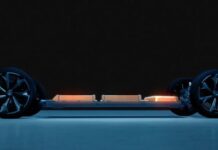
The mechanical heart of the DS Aero Sport Lounge isn’t just borrowed from racing—it’s direct lineage. The powertrain relies on a 500 kW electric motor delivering 680 horsepower, paired with an 110 kWh battery. These aren’t custom lab experiments. They are components derived directly from DS’s Formula E program.
Remember the 2018-2019 season? That’s when the DS Techeetah squad clinched the championship with Jean-Éric Vergne behind the wheel. This vehicle carries that winning hardware.
The specs are aggressive. DS claims a 0-100 km/h sprint in 2.8 seconds. That’s supercar territory. More impressive is the efficiency. The manufacturer promises an autonomy of 650 km. Real-world testing will decide if that holds up, but the hardware foundation is serious.
Cabin Tech and Material Innovation
We haven’t seen the interior yet. No images exist. What we do know is that DS is ditching standard luxury for something stranger.
The materials list reads like a craft project gone high-tech. Cotton satin. Worked straw marquetry. These aren’t just decorative. They’re on the dashboard. They’re on the seat backs. It’s tactile. It’s unusual.
Then there’s the tech. The screens are being “dematerialized.” We’re talking about retroprojection and augmented reality displays. The goal is to blend digital info with the physical world.
Interaction is where it gets weird. DS is using LeapMotion hand-tracking technology. There’s no touch required. Instead, an ultrasonic haptic system provides a sense of touch. You feel the interface without pressing it.
The DS Aero Sport Lounge combines championship-derived power with a cabin that feels like a step into a different decade of design.
We’re waiting for the reveal. Next week, we finally see the interior. Does the tech work? Do the straw and cotton hold up to daily use? The promises are futuristic. The execution remains to be seen.