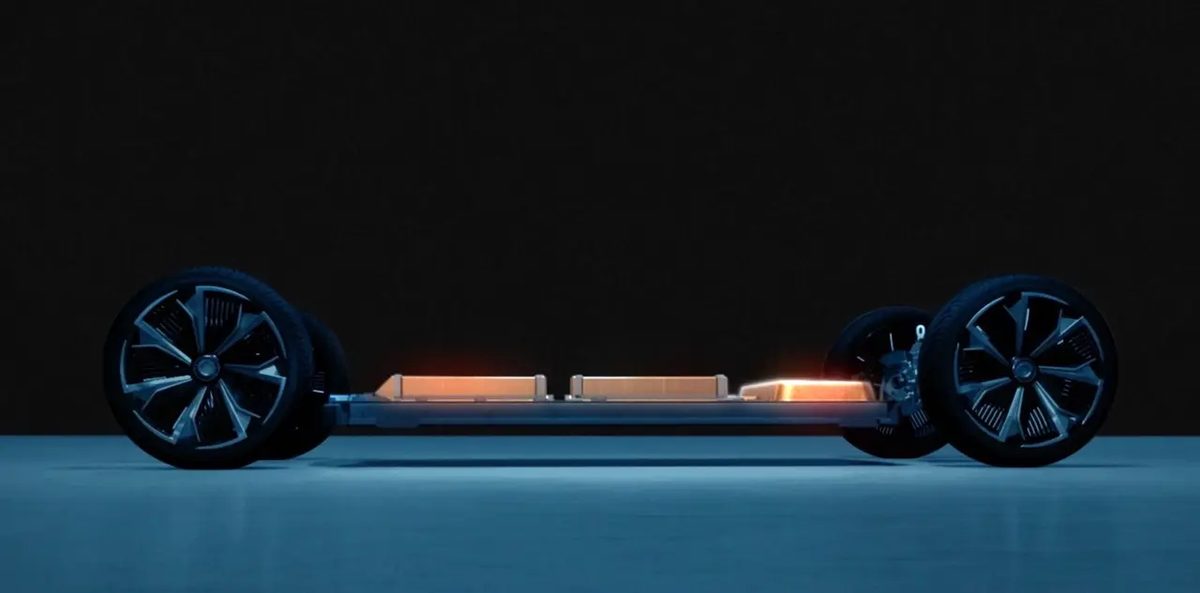
General Motors just unveiled the Ultium battery platform, a system designed to push electric range to 645 kilometers (400 miles) on a single charge. That number isn’t just a marketing flex. It’s a direct shot at Tesla, which still holds the crown for EV sales in the United States. The timing is aggressive. GM is betting that a flexible, high-capacity powertrain can erase the performance deficit that has defined the EV race for the last decade.
How the Ultium Battery Packs Its Punch
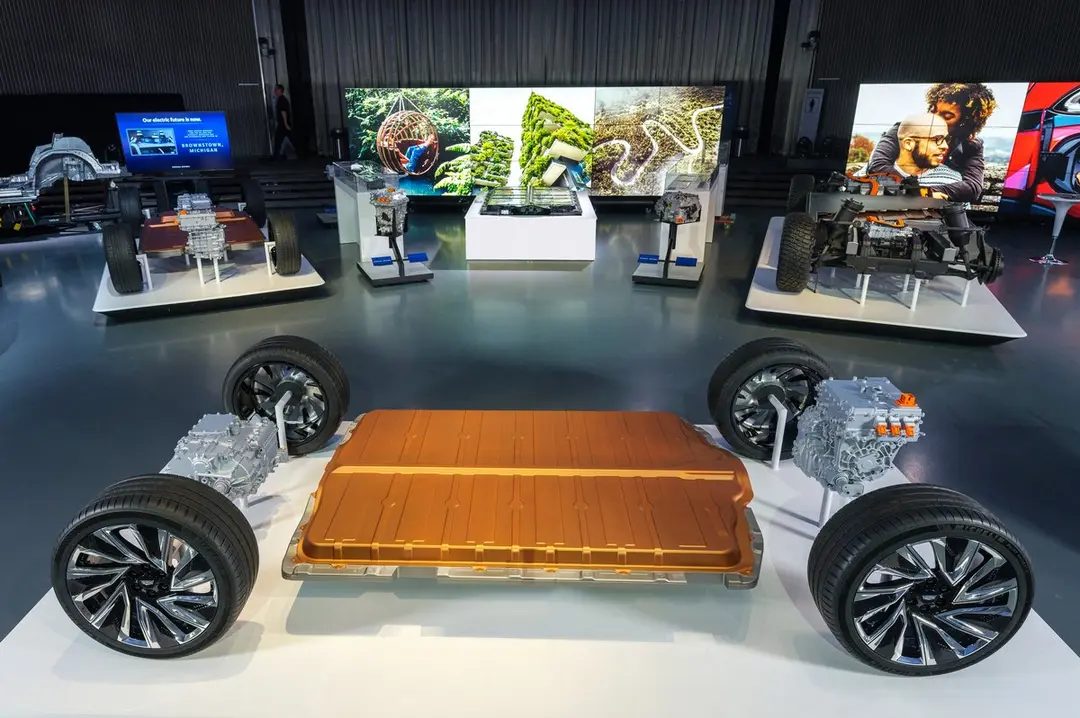
The physical design is where things get interesting. Unlike the traditional cylindrical cells you might find in older EVs, Ultium uses pouch-style rectangular cells.
Why does the shape matter?
- Vertical or horizontal stacking: Engineers can orient the cells to fit the specific floorpan constraints of a truck, a sedan, or a crossover.
- Design optimization: The flexible layout allows for better energy density packaging without sacrificing interior space.
“Ceci permet aux ingénieurs d’optimiser le stockage de l’énergie et l’agencement du design de chaque véhicule” (This allows engineers to optimize energy storage and the design layout of each vehicle), GM stated in its release.
It’s a modular approach. Instead of forcing every car to share the same battery architecture, GM is building a system that adapts to the vehicle. That means the Chevrolet gets a different configuration than the Cadillac, even though the underlying chemistry is the same.
Which Models Get the Ultium Treatment?
This isn’t a niche product for a single flagship model. GM has committed Ultium to all its future electric vehicles, spanning the entire price spectrum from affordable compacts to luxury flagships. The four GM brands involved are:
- Chevrolet
- GMC
- Cadillac
- Buick
The first real-world test will be the new Chevrolet Bolt, expected later this year. But the headline act is the resurrection of the Hummer. GM has confirmed electric versions of the iconic nameplate, including a pickup and an SUV.
The Stakes: A $20 Billion Bet
Behind the battery specs is a massive financial commitment. GM has pledged $20 billion over the next five years for electric technologies. That’s not a rounding error. It’s a strategic pivot.
The 645km range claim addresses a core consumer anxiety: range anxiety. If a driver can go from 100% to 0% without planning a charging stop for a typical day’s commute plus a long weekend trip, the practicality argument shifts in GM’s favor.
Tesla set the benchmark. Now GM is trying to out-spec it with a more versatile platform. Whether that translates to actual sales dominance remains to be seen, but the hardware is finally out of the lab.
How the Ultium Battery Cuts Costs Below $100/kWh
The partnership between General Motors and South Korea’s LG Chem targets a specific metric: cost. The Ultium battery platform aims to drop the price tag to under $100 per kilowatt-hour. Two years ago, standard lithium-ion cells cost just over $300 per kWh. That delta changes the math for the new high-end electric SUV, the Cadillac Lyriq, and the rest of the upcoming GM EV lineup.
Mary Barra, GM’s CEO, claims this cost structure makes the future electric vehicle line profitable from day one.
That statement is a jab. Tesla, led by Elon Musk, still hasn’t posted a full-year profit since its founding in 2003. GM wants that distinction.
Why GM Claims Immediate EV Profitability
The margin improvement comes from the battery cost floor. When the core component drops from $300/kWh to the $100 range, the vehicle’s break-even point shifts dramatically. GM argues this allows them to sell EVs at prices that generate margin immediately, without needing massive scale or software subscriptions to subsidize hardware losses.
Tesla holds the largest share of the EV market and is the highest-valued American automaker on the stock market. It produces far fewer cars than the Detroit “Big Three”: GM, Ford, and Fiat Chrysler (now Stellantis). Yet Tesla’s market cap dwarfs them. GM’s strategy flips the script: beat Tesla on profitability per unit, not just valuation or hype.
How the LG Chem Partnership Works
GM didn’t build the Ultium platform in a vacuum. The alliance with LG Chem provides the cell chemistry and manufacturing expertise. This is critical because battery cost reductions depend on scale and supply chain stability. By locking in a major supplier, GM secures the pricing curve that makes the $100/kWh target realistic for the Lyriq and future models.
The technology isn’t new. GM was the first major automaker to produce an electric vehicle in the 1990s. Tesla revived the category by tying it to the global climate change fight. Now GM is returning, but with a different angle: industrial-scale cost reduction rather than tech-led innovation alone.
“The future line of electric vehicles will be immediately profitable.”
That claim rests entirely on the battery cost holding at or below that $100 threshold. If cell prices rebound, the profit margin evaporates. The Lyriq is the test case.