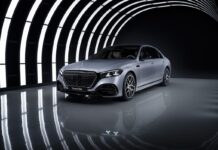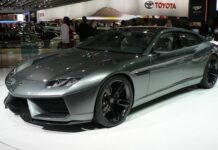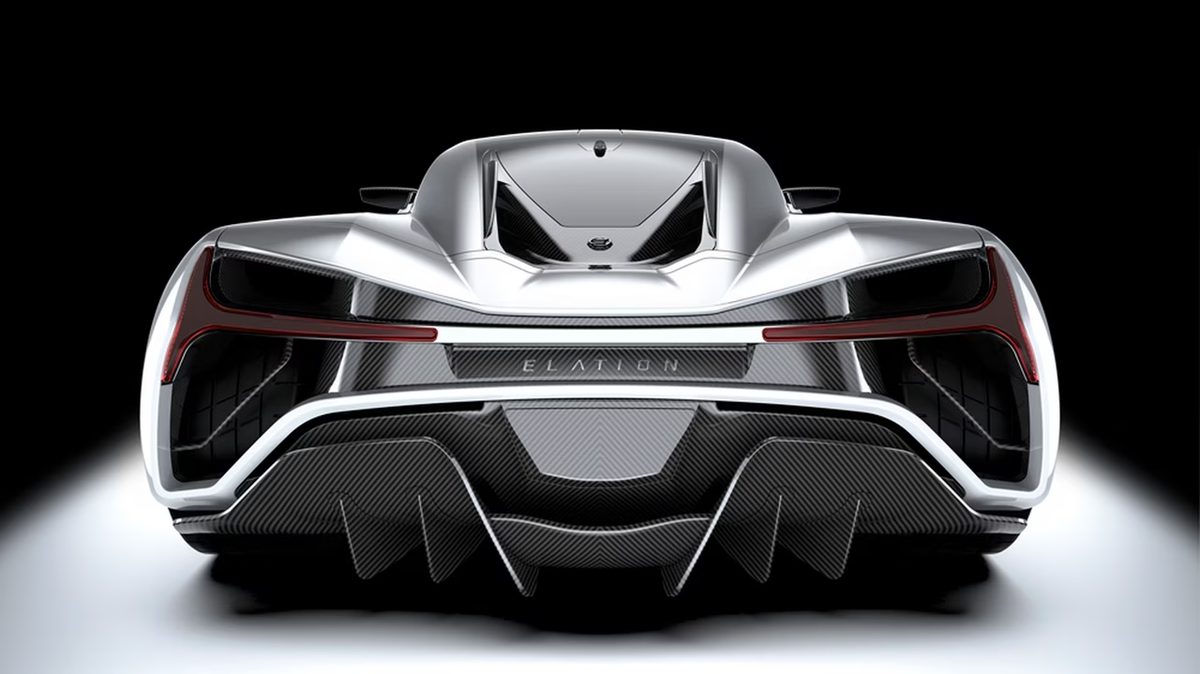
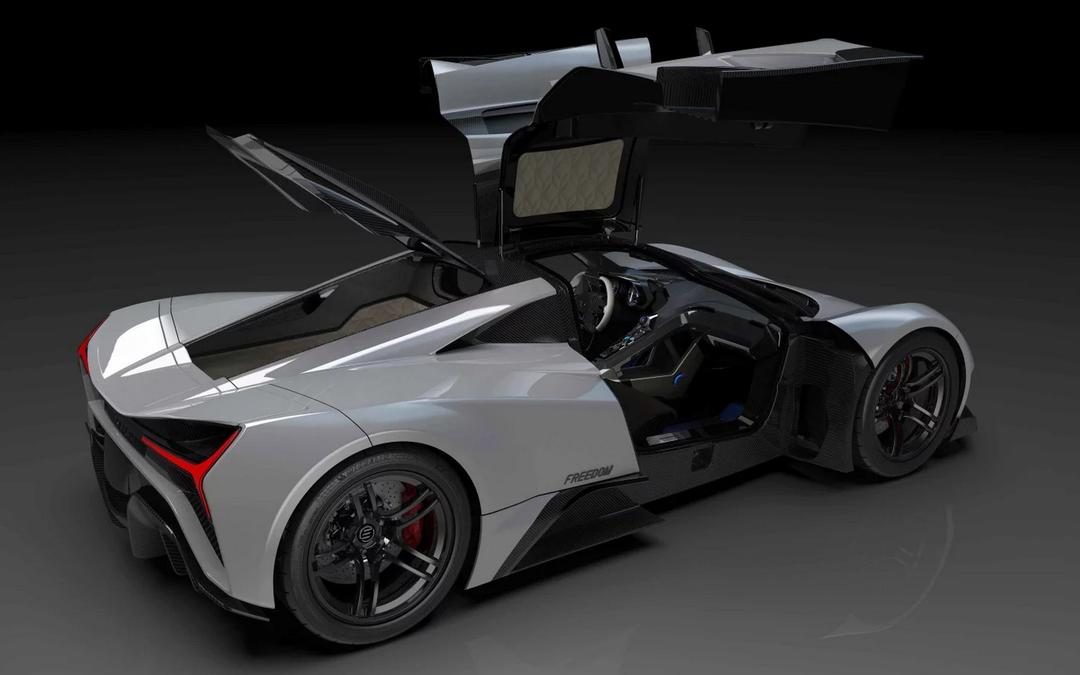
There is something delightful about electric vehicles. They let total outsiders step into the ring. Elation Hypercars proves this. They are a California-based startup that has been plotting since 2014. Today they unveiled their first move. The Elation Freedom. It is a supercar meant to shake up the market.
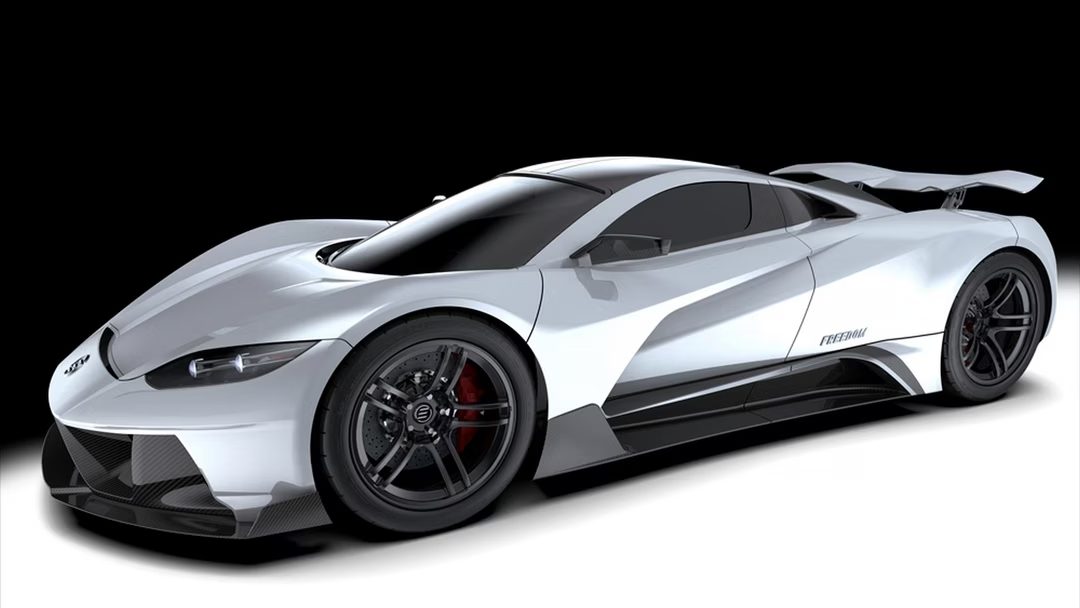
It looks spectacular. It is not original though. Elation stole from the best. You can see the Corvette in its stance. The Ferrari influences are clear. So is the McLaren DNA. Even the Lotus Evija left its mark. The result is a synthesis. It works pretty well. The style lacks a distinct personality though. It feels like a greatest-hits album.
Build quality matters here. The Freedom sits on a carbon-kevlar monocoque. It is ultralight. It is also patented. Elation claims the curb weight is just 1,650 kg. That is serious engineering.
Electric Fury: 1,900 HP on Tap
You have two ways to skin this cat. Three electric motors give you a staggering 1,427 horsepower. Four push the total to 1,900 hp.
These are permanent magnet synchronous motors. Liquid cooled. Developed in partnership with Cascadia Motion. The engineering is dense. The output is absurd.
Speed and Range Numbers
The 0 to 100 km/h sprint hits in 1.8 seconds. That is laughably fast. Top speed sits at 418 km/h.
Range depends on your battery choice. You can spec a 100 kWh pack or go big with 120 kWh.
- 100 kWh battery: 480 km range
- 120 kWh battery: 640 km range
Software Defines the Drive
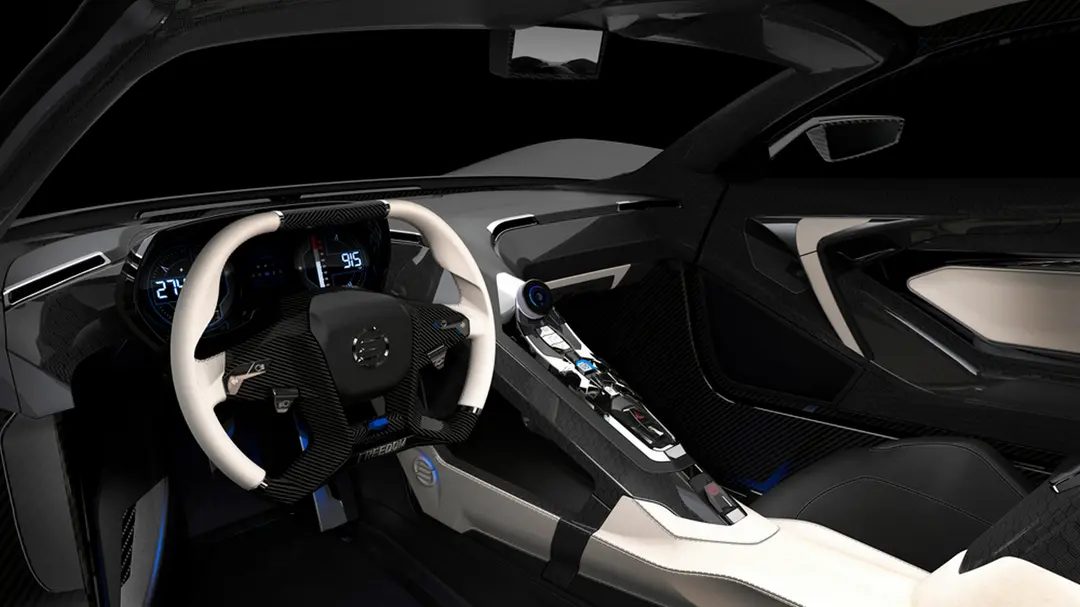
Hardware is only half the battle. The Elation Freedom relies heavily on electronics. Software manages the suspension. It controls torque vectoring.
The car is as much a codebase as it is a chassis.
Reservations are open. The price? Two million dollars for the all-electric Elation Freedom. 🛑
The Freedom is still a prototype. It hasn’t cleared homologation. Production doesn’t start until Q3 2022. That’s a long time in hypercar years. Can the project actually survive? Hard to say.
Here’s the twist. Elation is also building a 5.5-liter V10 combustion version. It will cost $2.3 million.
“Putting all your eggs in one basket is smart. Promoting two radically opposite approaches? That’s confusing.”
Why bet on both? The electric platform offers instant torque and zero emissions. The V10 offers sound, complexity, and the mechanical soul traditionalists crave. They are opposites. Elation is promoting both anyway.
It’s a gamble. A big one. Two different powertrains. Two different customer bases. One factory timeline.
We’ll see if the prototypes roll off the line. Or if the money runs out first. 🏁
The Suspension Compromise
You don’t get the track geometry and the street manners without a tax. The active suspension on the GT3 RS isn’t just a gimmick. It’s a necessity. Without it, the stiff springs and massive anti-roll bars would turn every bump into a structural failure for your spine. The system adjusts damping in milliseconds. It knows what’s coming before the wheel does. This allows for a ride that’s merely firm on the Autobahn, rather than bone-shattering. But the weight? It adds about 20 kilograms over the standard GT3. You feel it in the corners. Not much. But enough that the purists grumble.
The Aerodynamics That Pin You Down
The front wing is massive. It’s not just for show. It generates downforce that rivals some GT3 cars from a decade ago, without the drag penalty that kills lap times. The rear wing sits high. It’s adjustable via the infotainment screen. You can change the angle from three positions. Each setting changes the balance. You want more rotation in the slow corners? Dial it up. You want top speed on the Mulsanne Straight? Dial it down. The diffuser underneath works harder than you think. It sucks the car to the tarmac.
“The downforce isn’t just about grip. It’s about stability. You can trail-brake into a corner at speeds that feel illegal.”
The Interior: Function Over Form
Strip the sound system. Delete the rear seats. You get the Club Sport package. It’s lighter. It’s safer. It has a roll cage. The bucket seats are fixed. You have to contort yourself to get in. The harnesses are 6-point. They hold you in place when the lateral Gs hit 1.3. The steering wheel is thick. The paddle shifters are stiff. The infotainment screen is small. It’s not designed to be cozy. It’s designed to be efficient. Every switch is within reach. Every gauge is visible. There’s no clutter. No unnecessary buttons. Just the essentials.
The Price of Entry
You’re looking at a starting price that’s well over $200,000. Add the options. The carbon ceramic brakes alone are a significant chunk of change. The Weissach package? That’s another few thousand. The carbon fiber components reduce weight but increase cost exponentially. You’re paying for the engineering. The materials. The exclusivity. It’s not an investment. It’s a consumption event. A very expensive one.
The Verdict
It’s too much for the street. It’s just right for the track. The GT3 RS is a car that demands respect. You can’t just drive it. You have to earn it. The feedback is constant. The noises are specific. The sensations are intense. It’s not for everyone. It’s for those who want to feel every pixel of the road. Every imperfection. Every opportunity to push harder. It’s a reminder that performance has a price. And for this car, the price is high.