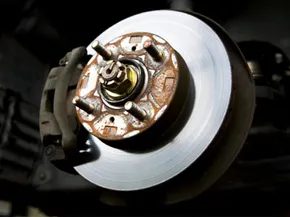
The car goes. The car stops. It’s a rhythmic cycle that drivers take for granted until it doesn’t. You need to stop as much as you need to inhale. Have you ever been in a vehicle that refused to halt? The terror is visceral. Whether you drive a sedan with disc brakes or a heavy-duty truck with drums, you expect the pedal to bite.
Brakes don’t have voices. Or do they?
If you aren’t drowning out the cabin with radio chatter or podcast noise, you might hear them complaining. They have a language. It’s in the squeals. The clicks. The squeaks. The grinding. You need to listen to these noises. Ignoring them and hoping the sound vanishes is a bad strategy.
Avoiding brake failure comes down to two things. Regular maintenance. Attentiveness to performance changes. A brake system is a chain of components spanning the vehicle. Any link can break. Calipers. Drums. Pads. All of them matter.
Let’s assume the maintenance didn’t catch it. Let’s say the brakes start to fade. What dangers face you and your passengers? How do you prepare? What if you’re towing a boat and the pedal goes soft? Can a runaway truck ramp save you? We will look at how brakes work. Then we will look at why they fail.
The Anatomy of a Stop
To understand failure, you must understand the mechanism. It isn’t magic. It’s physics. Friction. Heat. Pressure.
When you push the pedal, hydraulic pressure travels through brake lines. This pressure pushes pistons inside the calipers. The calipers squeeze brake pads against the spinning rotor. On older or heavier vehicles, wheel cylinders push brake shoes outward against the inside of a drum.
The goal is simple. Convert kinetic energy into thermal energy. The car slows.
But friction generates heat. Massive amounts of it. In a heavy vehicle, or during repeated hard stops, that heat builds up. If the cooling isn’t sufficient, the brake fluid can boil. Vapor is compressible. Liquid is not. Once that fluid turns to gas, the pedal feels spongy. It sinks to the floor. Pressure is lost. The car keeps rolling.
Listening for Trouble
Brakes rarely fail without a warning. They usually degrade gradually. Or they make noise when a component is wearing out.
Squealing often means the wear indicators are touching the rotor. It’s a high-pitched metal-on-metal alarm. It means the pads are gone. Clicking can indicate loose hardware. A loose caliper bracket or a worn pin can cause the pad to rattle.
Grinding is the worst sound. That’s steel scraping against steel. The friction material is exhausted. You’re damaging the rotors. The stopping power drops significantly. The pedal may also vibrate. That’s warped rotors. Heat cycling causes the metal to distort. The pads contact unevenly. The car shakes. You feel it in the pedal. Or the steering wheel.
Ignoring these signs accelerates the failure. You might delay a repair by a week. Then the caliper seizes. Then the line corrodes. Then the fluid leaks.
Towing and the Runaway Hazard
Brake failure is dangerous enough in an empty car. It’s catastrophic when towing