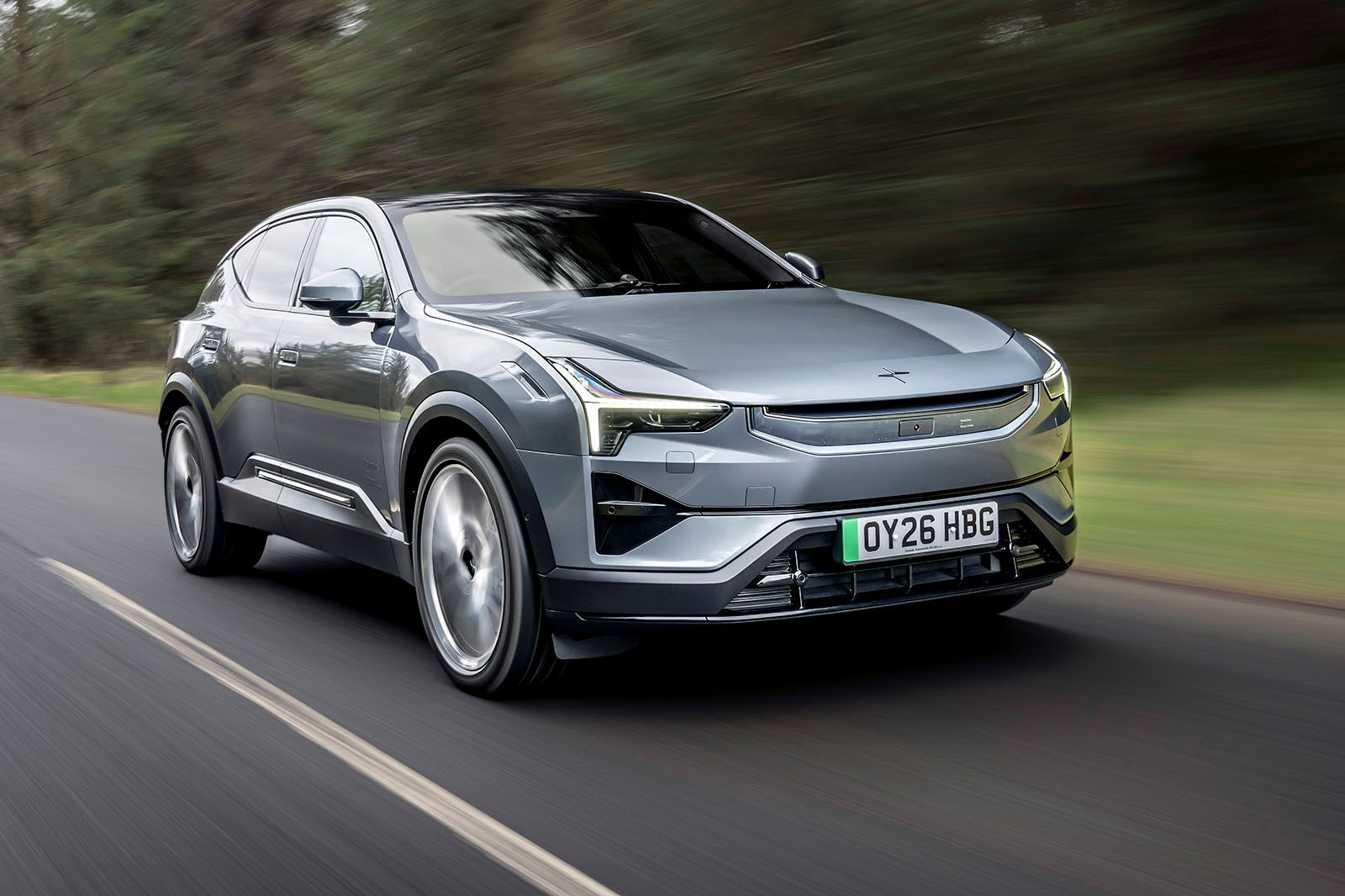
The Polestar 3 has long been defined by a specific piece of engineering: a torque-vectoring rear clutch pack. This component allowed the heavy electric SUV to distribute power between the rear wheels, providing a level of agility and “playfulness” rarely seen in vehicles of this size. However, the 2026 update changes the car’s DNA, trading a specialized mechanical feature for improved electrical architecture and efficiency.
The Core Changes: Speed vs. Capacity
The most significant technical shift for the 2026 model is the transition from a 400V to an 800V electrical architecture. This is a critical upgrade for the modern EV market, as it directly impacts how quickly a driver can replenish power.
- Charging Speed: Maximum charging rates have jumped from 250kW to 350kW, significantly reducing time spent at fast-charging stations.
- Battery Sizing: Interestingly, the battery capacity has decreased in some models. While the Dual Motor and Performance versions saw a minor dip (from 107kWh to 103kWh), the Rear Motor variant saw a much larger reduction, dropping from 107kWh to 90kWh.
This shift suggests a strategic repositioning. By reducing the battery size in the Rear Motor model, Polestar is likely aiming to create a more distinct, accessible entry-level tier for the lineup.
The Loss of the Torque Splitter
The most controversial aspect of this update is the removal of the rear torque splitter. To understand why this happened, one must look at how the motors function:
- The Old Way: The original Polestar 3 used permanent magnet synchronous motors (PMSM) on both axles. Because these motors consume power even when idling, a disconnect clutch was necessary to “switch off” the motor during steady cruising. Engineers utilized this clutch to also perform torque vectoring, adding a layer of performance dynamics.
- The New Way: The updated model features a more efficient rear motor and replaces the front motor with an asynchronous unit. Asynchronous motors are much more efficient when idling, meaning they don’t require a disconnect clutch to save power.
Without the need for a clutch to manage motor idle, the torque splitter became an “extravagance.” Polestar has opted to remove it in favor of a more streamlined, efficient powertrain.
Driving Dynamics: Can Software Replace Hardware?
To compensate for the loss of the mechanical torque vectoring, Polestar engineers have focused on fine-tuning the vehicle’s handling through other means:
– Softer front suspension to improve turn-in agility.
– Recalibrated electric power steering for better feedback.
Despite losing its signature mechanical trick, the Polestar 3 remains a benchmark for driver engagement in the heavy EV segment. Even at a weight of approximately 2.5 tonnes, the vehicle maintains exceptional grip, steering precision, and responsiveness. While the “Performance” trim remains the pinnacle of the range, the overall driving experience remains remarkably sharp across all three specifications.
The Bottom Line: The 2026 Polestar 3 trades a unique mechanical personality for a more efficient, faster-charging, and logically tiered product lineup.
Conclusion: While enthusiasts may miss the specialized torque-vectoring hardware, the move to an 800V system and more efficient motors makes the Polestar 3 a more practical and technologically advanced contender in the premium EV market.