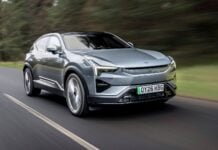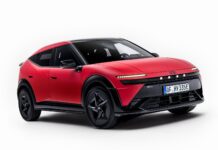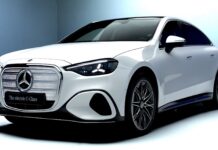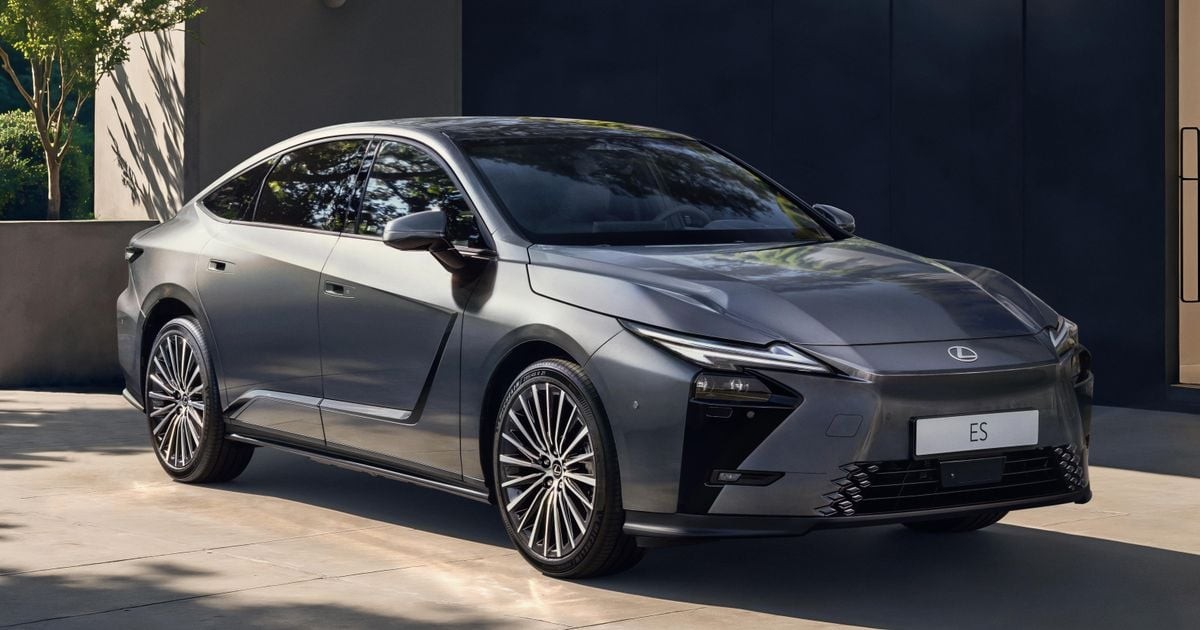
Lexus Australia has officially confirmed the arrival of the eighth-generation Lexus ES, scheduled for a local release in the third quarter of 2026 (July–September). This upcoming launch marks a significant pivot for the luxury brand, as the new ES will be offered in both hybrid (HEV) and fully electric (BEV) configurations.
The arrival of the ES is a strategic move to bolster Lexus’s electrified lineup. While the brand has a robust selection of hybrids—ranging from the compact LBX to the flagship LS—the new ES will provide a much-needed electric option. Currently, Lexus’s EV presence in Australia is slim following the discontinuation of the UX300e, leaving the RZ SUV as its primary electric offering.
A Significant Leap in Size and Platform
The eighth-generation ES represents a major evolution in scale and engineering. Built on a newly developed version of the TNGA GA-K platform (the same foundation used by the Toyota Camry and Lexus NX), the new model is substantially larger than its predecessor:
- Length: 5140mm (165mm longer than the previous model)
- Wheelbase: 2950mm (80mm longer, providing superior interior space)
- Width & Height: Increased by 55mm and 110mm, respectively.
By utilizing the GA-K platform to house large battery packs beneath the floor, Lexus aims to lower the vehicle’s center of gravity, enhancing both stability and ride comfort.
Powertrain Options: Hybrid vs. Electric
Lexus is offering a dual-track approach to electrification, catering to both those seeking traditional hybrid efficiency and those ready to transition to full electric driving.
1. The Hybrid Lineup (HEV)
The hybrid variants will continue the ES legacy of refinement, utilizing an electronic continuously variable transmission (e-CVT).
* ES300h: A 2.0-litre four-cylinder powertrain delivering 148kW.
* ES350h: An upgraded 2.5-litre four-cylinder system producing 182kW, capable of a 0–100km/h sprint in 7.5 seconds (AWD).
2. The Electric Lineup (BEV)
The electric ES is a global milestone, representing the first Lexus electric sedan to be sold outside of China.
* ES350e: A front-wheel-drive model with a 77kWh battery, producing 165kW.
* ES500e: A high-performance dual-motor AWD variant with a 75kWh battery, delivering 252kW and a 0–100km/h time of just 5.7 seconds. It features the DIRECT4 torque-control system for precision handling.
Fast Charging Note: The electric models are expected to support DC fast charging, capable of replenishing the battery from 10% to 80% in approximately 30 minutes.
Advanced Engineering and “Refined Minimalism”
Beyond the powertrains, the new ES introduces several sophisticated driving technologies:
* Dynamic Rear Steering (DRS): A rear-wheel steering system that improves agility at low speeds and stability at high speeds.
* Enhanced Suspension: The inclusion of multi-link rear suspension and optional Adaptive Variable Suspension (AVS) for a smoother ride.
* Next-Gen Software: The interior will feature a 14-inch infotainment touchscreen powered by Toyota’s new ‘Arene’ software platform.
The design philosophy shifts toward “refined minimalism,” characterized by flush door handles, slender “L-Signature” lighting, and a cleaner dashboard that replaces many physical buttons with “Responsive Hidden Switches” that illuminate upon approach.
Why This Matters
The launch of the eighth-generation ES is more than just a model update; it is a litmus test for Lexus’s ability to compete in a rapidly electrifying luxury market. By offering both hybrid and electric versions on a single, versatile platform, Lexus is hedging its bets against varying consumer adoption rates of EVs while attempting to redefine the luxury sedan segment through advanced tech and increased physical dimensions.
The new Lexus ES will arrive in Australia in mid-2026, offering a sophisticated blend of hybrid efficiency and cutting-edge electric performance.