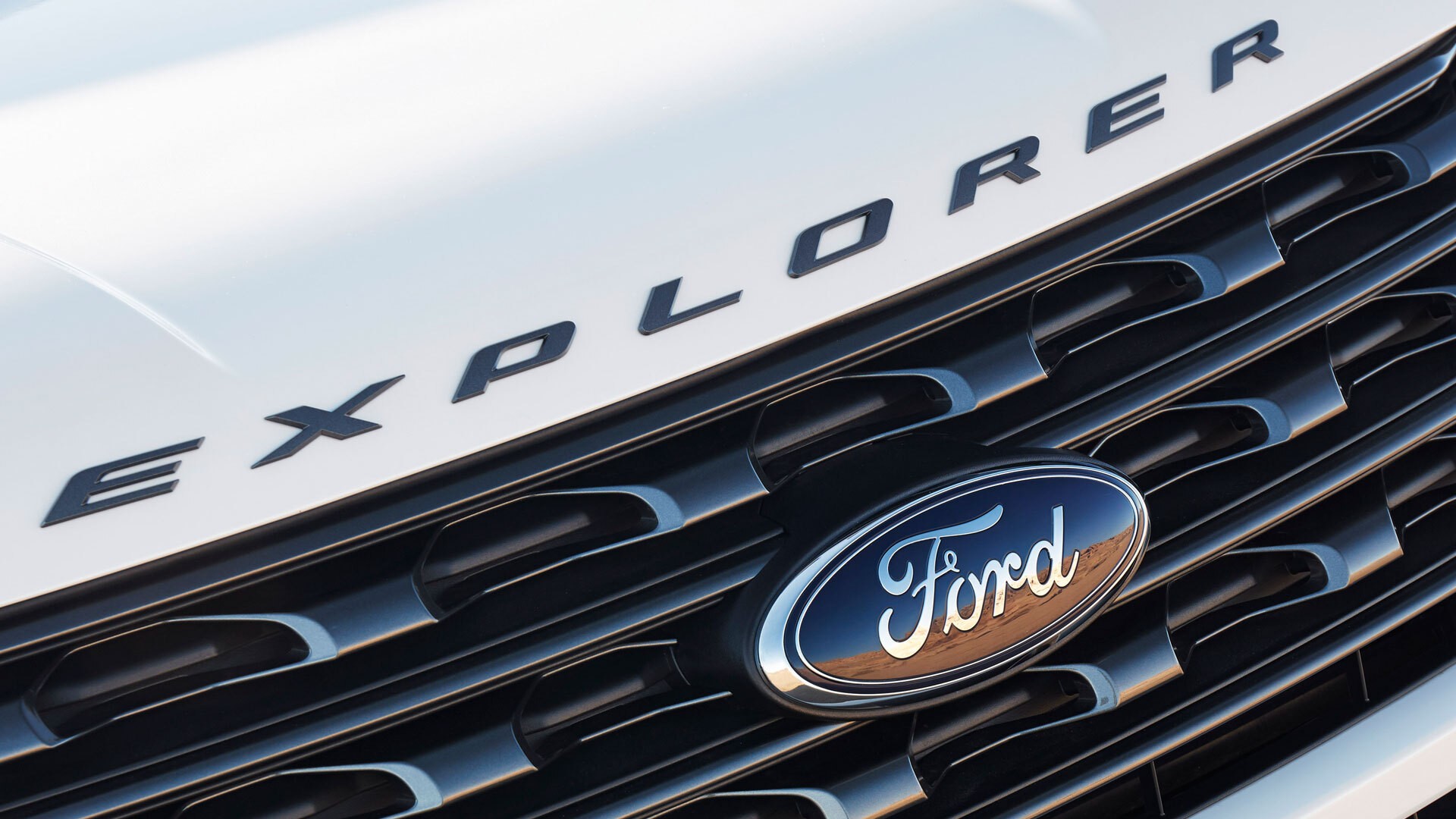
Your car is missing pieces. Specifically, the plastic rail covers along the roofline. And they are landing on someone else’s hood.
Ford is pulling 288,31 Explorers from the street right now. The problem is loose roof rail covers. They come unmoored while driving. One accident has already been reported because of a piece of trim taking flight. That’s a hazard. A serious one.
Why Do 2016–2019 Ford Explorers Lose Their Roof Rails?
It starts with a gap. A rattle. If you have a 2016 to 2019 Explorer and hear something shaking when you hit 40 mph, you probably know what I mean.
The National Highway Traffic Safety Administration (NHTSA) says these covers can loosen over time. Once detached, they become projectiles.
This isn’t the first time this happened. It’s a pattern. Ford tried to fix it before. Back in 2020. They called it a “customer satisfaction” program. Which is corporate speak for we admit there’s a problem but don’t want to call it a recall yet.
They sent dealers to slap two-part epoxy on the trim. It was supposed to hold.
For some vehicles. Specifically, the ones with painted covers. Ford issued an actual recall in 2021 for those. They switched tactics. Epoxy out. Four plastic push-pins in. But they left the satin or chrome-plated “bright” covers alone. Their internal data showed fewer complaints for those finishes.
So they assumed those were fine.
The shiny ones weren’t breaking loose. Or at least. Not according to the warranty analysis.
They were wrong.
March 2026. The NHTSA’s Office of Defacts Investigation emailed Ford. They had 46 reports. More loose trim. More flying parts. Some of these cars had already been through the customer satisfaction campaign. Some had been repaired with epoxy.
Ford dug into their data again.
The vehicles with satin or chrome covers that weren’t fixed? Still breaking loose.
The ones repaired with epoxy in 2020? Also breaking loose.
The ones fixed with the push-pin method from the 2021 recall? Fine.
Only the push-pin repair actually worked.
What Caused The Retention Failure?
We don’t have a definitive root cause yet. Ford thinks it’s heat.
Thermal cycles expand the materials. Wear down the clips. It makes sense physically. But for the epoxy repairs. It gets messy.
The process depends heavily on the technician.
Did the employee replace damaged retention clips first? Maybe.
Did they apply enough epoxy? Hard to say.
Was the shop at the right temperature for the glue to cure properly? Doubtful in many cases.
Epoxy isn’t magic. It’s chemistry. Get it wrong and it fails silently for months before the roof comes off.
How Will Ford Fix This Second Time?
There is no fix in your driveway today.
Wait.
You will get a letter in August. Just a notification. A second one comes in September. That’s when the parts and procedures are actually ready.
Dealers will inspect your roof. If the trim is loose. They’ll replace it. If the push-pins or rail clips are damaged. Those go too.
It should hold this time. Push-pins are mechanical. They don’t require precise temperature control or artistic application of glue.
Ford Explorer Roof Repair Process:
* August: Receive notice.
* September: Parts availability begins.
* Service: Dealer inspects, replaces pins/clips/covers as needed.
Is it frustrating? Yes. Your roof has been rattling for years. Ford missed the first cue. The second attempt involved glue that didn’t stick.
But the solution exists now. Just wait for the postman.
Hyundai Seat Buckle Issue
Ford isn’t the only one losing hardware.
Hyundai is recalling 47,474 crossovers. The 2025 Kona electric. The 2026 model too.
The issue isn’t falling apart on the highway. It’s inside the seat. The rear center seat belt buckle. It might fail to lock during a crash.
That is bad news.
Joyson. The supplier making the buckle. Told Hyundai in February that a dynamic test failed. The investigation pointed to an old tool.
The stamping die was worn out. Used beyond its life. Result? Metal parts that are slightly too soft or out of spec.
You can’t see a loose roof rail cover failing from the outside until it flies away.
A seat belt failure? You notice it instantly. Usually because you’re no longer being held in.
Two different automakers. Two different types of hardware fatigue. Same result.
Cars are complicated machines. Sometimes they fall apart.