You turn the key. Nothing. Just a hollow click-click-click.
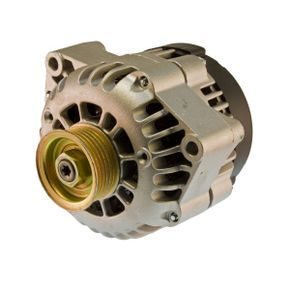
Maybe you check the battery first. Maybe you check the connections. But often, the culprit is hiding in plain sight. It’s the alternator. That coconut-sized component under the hood is responsible for keeping your car alive once the engine starts. When it dies, everything else dies with it.
Most of us will face this exact scenario at least once. It’s not always a dead battery. Often, the battery is fine. The alternator is just failing to recharge it. And since modern cars are essentially rolling power plants, a failing alternator is a recipe for disaster.
The Heavy Lift
Think about what your car demands from its electrical system. Decades ago, an alternator had it easy. It powered headlights, the radio, and maybe a windshield wiper. That was it.
Today? You’re talking about GPS navigation, electric seat heaters, power windows, mirrors, infotainment screens, and a dozen other sensors. The load is heavier. The strain is constant.
The alternator generates alternating current (AC). Inside the housing, a rotor spins past stationary stator coils. This movement creates the electrical flow. A diode pack then converts that AC into direct current (DC), which your car’s electronics actually need. It’s a delicate dance. And it gets hot.
When the alternator starts to go, you might notice flickering lights. Gauges that behave erratically. A radio that cuts out while you’re driving. If your car feels like it’s losing power at idle, the alternator is likely failing to keep the battery charged.
Lifespan Variables
So, how long can you expect an alternator to last? There’s no single answer. It depends on the car, the engine, driving conditions, and how much electrical junk you’re running.
Some alternators fail at 40,000 miles. Others cruise past 100,000 miles without a hitch. The variance is huge.
Several factors chew up an alternator’s life:
- Wear and tear: The rotor spins on needle bearings. Dirt, grime, and age can cause these bearings to wear out or break.
- Heat: The engine bay is hot. Prolonged exposure to heat strains internal components, especially the diodes in the voltage regulator.
- Electrical load: Running too many accessories at once increases the strain on the system.
“If your alternator is failing, there’s a good chance that you’ll need to replace it.”
Driving with a dying alternator is dangerous. You might get a jump-start from a passerby. You might limp to a repair shop. But the car won’t last long. Once the battery drains, the engine stalls. And you’re stuck.
Maintenance Matters
Prevention is better than cure. Regular maintenance can extend the life of your alternator and your battery. Check the serpentine belt. It’s responsible for spinning the rotor. If it’s cracked or loose, the alternator won’t spin properly. Clean the connections. Corrosion kills performance. And don’t ignore the signs.
In the next section, we’ll dive into specific maintenance steps and how to keep your electrical system healthy. But first, understand this: your alternator is working hard. Treat it right, and it’ll keep you moving. Ignore it, and you’ll be pushing your car.

Testing Your Alternator Health Before It Fails
Nobody wants to be the guy waving down traffic because the alternator died. It’s a roadside nightmare. But you can stop it before it happens. You just need to know what to look for.
Grab a voltmeter. You can pick one up at any auto parts store. It’s cheap. It’s simple. Start the engine. Turn off everything. No radio. No lights. Just a healthy idle. Switch your voltmeter to the DC scale. Connect the probes to the battery terminals. Read the numbers.
You want to see around 14 volts. That’s the sweet spot.
Now turn up the load. Headlights on. Heater maxed out. Radio blasting. Watch the meter. If the voltage drops below 12 volts while under load, your alternator is failing. It can’t keep up. Check the voltage directly at the alternator terminal. If it’s lower there than at the battery, your battery might be the weak link. Or you have a bad connection. If the voltage is good at the alternator but dead at the battery, stop there. You have a battery problem.
Fixing the Battery First
If the test points to the battery, don’t rush to buy a new one. Check the connections first.
Disconnect the battery. Negative terminal first. Then positive. Don’t skip this. You don’t want a spark near hydrogen gas. It’s dangerous. Clean the terminals. Mix baking soda and water. Scrub away the corrosion. Dirty connections block electricity flow. It’s that simple.
If the clamps are eroded, they won’t make contact. You might need to replace them. That involves soldering. You need tools. You need time. If you don’t have them, skip this step. Just clean what you can.
If cleaning doesn’t fix the issue, and the alternator test failed, it’s time for a replacement.
How to Replace an Alternator
Most alternators aren’t serviceable. The rotor, diode pack, and stator are sealed units. When one fails, the whole unit goes. Replacing it yourself saves labor costs. You just need to be careful.
Park on a flat surface. Make sure the engine is cool. Disconnect the battery again.
Find the alternator. It’s usually a silver, rounded can with a pulley. It’s bolted to the engine block. You’ll likely need two socket wrenches. One to hold the bolt, one to turn it. Corrosion makes this hard. Take your time.
The alternator is driven by a belt. Older cars used V-belts. Modern cars use serpentine belts. Loosen the tensioner. Slack off the belt. Slip it off the pulley.
Here’s a pro tip. Replace the belt now. It’s cheap insurance. Grab the right part from your local store. Check the part number. Don’t guess.
Disconnect the electrical wires behind the alternator. Remember which wire goes where. Label them if you have to.
Remove the mounting bolts. Take the old alternator out.
If you’re replacing the belt, put the new one on now. Route it correctly. Tension it.
Position the new alternator. Secure it. Tighten the bolts. If you’re working alone, use vice grips to hold the unit in place while you bolt it down. It’s easier than balancing it with your knee.
Reconnect the wires. Double-check them. Connect the battery. Start the engine.
Watch the dashboard. No warning lights. No weird noises. If it runs quiet and the lights stay off, you did it. Your new alternator should last.
For more details on car care, check out the links below.
Related HowStuffWorks Articles
- Top 10 Everyday Car Technologies that Came from Racing
- How Car Computers Work
- How Driverless Cars Will Work
- How Hypercars Work
- How Auto Transport Works
- How Automotive Production Lines Work
- Can you assemble your own car?
- What makes a digital car digital?
- What’s new in synthetic oil technology?
- Will car repairs in the future financially cripple you?
Sources :
- Allen, Mike. “Battery Maintenance.” Popular Mechanics. August 2000. (Oct. 12, 2009) http://www.popularmechanics.com/how_to_central/automotive/1272361.html
- Basic Car Audio Electronics. “Charging System Basics.” (Oct. 12, 2009) http://www.bcae1.com/charging.htm
- Hewitt, Bob. “Just what is an alternator?” (Oct. 12, 2009)http://www.misterfixit.com/alterntr.htm
- Money Blue Book. “Major causes of vehicle breakdowns.” (Oct. 12, 2009) http://www.moneybluebook.com/major-causes-of-vehicle-breakdowns- broken-alternators-for-example/
- Mobil Oil USA. “Do-it-yourself Projects: Replacing an Alternator.” (Oct. 12, 2009) https://www.mobiloil.com/USA-English/MotorOil/Car_Care/DIY/Replacing_An_Alternator.aspx?pg=1