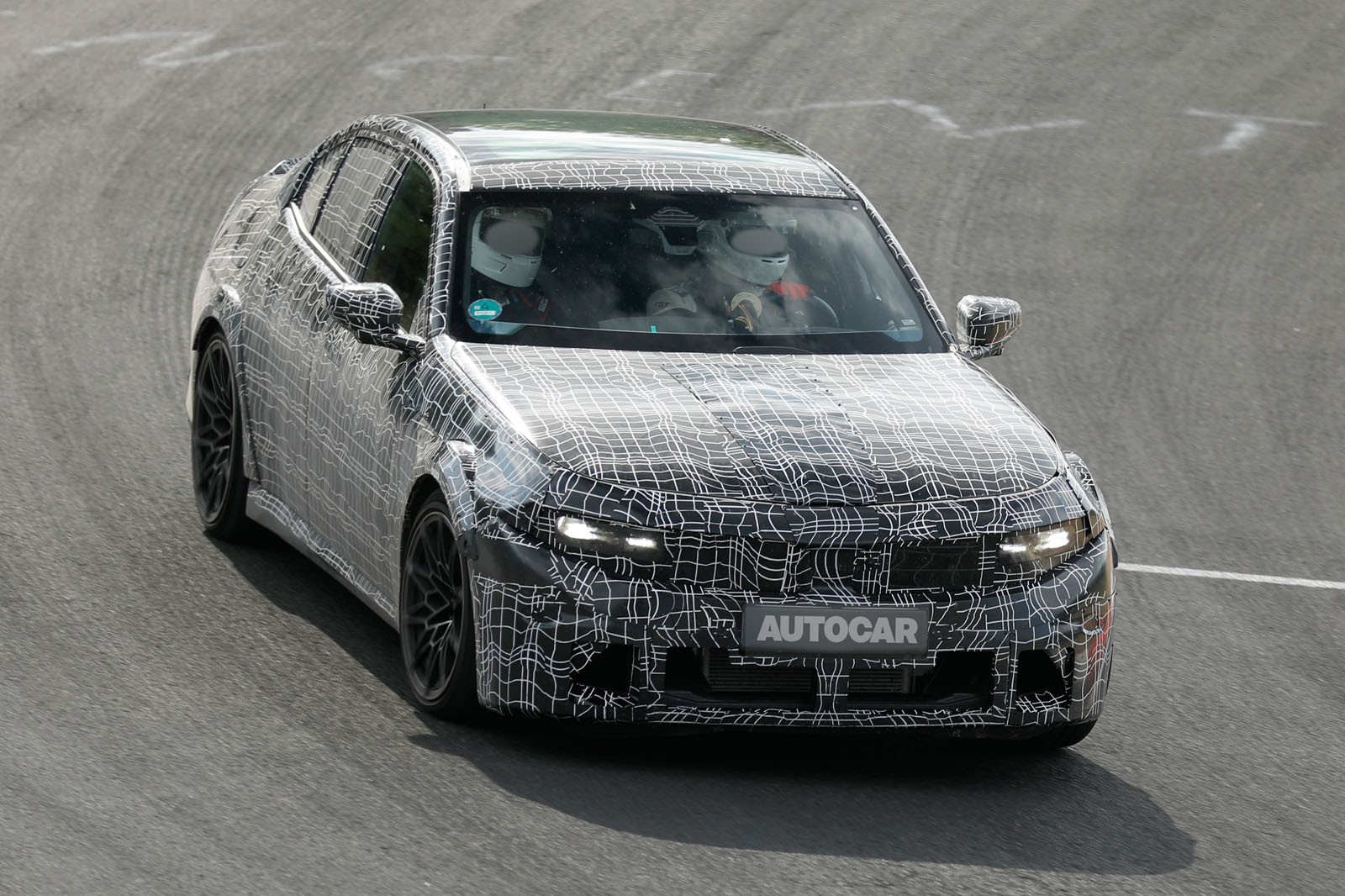
The next generation BMW M3 isn’t gone yet. While the rest of the world leans into electrification, this German sports sedan is still drawing covers to test the waters. But here’s the twist: it might actually keep the stick shift.
Yes, a manual gearbox is still on the table for the next M3.
Frank van Meel, the boss of BMW M, made his stance clear at the Goodwood Festival of Speed. His message to gearhead enthusiasts was direct. BMW plans to offer manual transmissions for performance petrol cars “for as long as possible.”
It’s not just nostalgia talking. There is actual data behind it. Van Meel pointed out that sales of the smaller M2 in the United States are split 50:50 between automatic and manual transmissions. The US, traditionally an automatic market, is proving you wrong if you think people have forgotten how to shift gears.
“We want to have this mechanical connection… It’s an emotional thing… and it’s still there.”
The Struggle to Keep the Manual Alive
Why haven’t all manufacturers ditched the clutch yet? It’s getting harder, frankly. The supplier base for manual gearboxes is shrinking. Modern driver assistance systems rely on knowing exactly what the car is doing. Disengaging the drivetrain to shift gears breaks that loop. You disconnect from the cruise control. You disconnect from the collision avoidance radar.
On top of that, mild-hybridization adds another layer of complexity. Starting a car or stopping its engine at traffic lights while managing the drivetrain inertia is no joke.
But van Meel didn’t fold. He noted that it’s becoming difficult, not impossible. And BMW intends to hold the line as long as the machinery allows.
Keeping the Straight Six: A Different Path
When it does launch, the combustion-powered M3 won’t follow the trend of its German rivals. The Audi RS5 stayed with its V6, yes, but slapped on a plug-in hybrid. The Mercedes-AMG C63 made a drastic jump, replacing its V8 with a four-cylinder plug-in hybrid system.
BMW is playing a different tune. The next M3 retains its turbocharged 3.0-liter straight six-cylinder engine. It’s the S58, the same mill powering the M2 and M4, but with significant updates.
Chief among these changes is compliance with the Euro 7 emissions standards. This wasn’t just a software toggle. It required a complete engineering rethink of how fuel burns in the cylinder.
How Pre-Chamber Combustion Changes Everything
To meet stricter emissions limits without choking power, BMW switched to pre-chamber combustion. In simple terms, a tiny amount of fuel detonates in a separate, smaller chamber just before entering the main combustion cylinder. This explosion creates a highly energetic jet that ignites the main fuel charge faster and more efficiently than a traditional spark plug.
The result is faster combustion and better efficiency. Lower fuel consumption means lower emissions, which is exactly what Euro 7 demands.
But there was a catch. Normally, high-performance engines rely on fuel to help cool the engine block under stress. When running at lambda 1 (the perfect air-to-fuel ratio for maximum power and efficiency), you can’t add excess fuel for cooling without messing up the burn. It creates a temperature buildup that no modern engine can safely handle.
“The whole story is about driving with lambda 1,” van Meel explained. “There’s no cooling… normally if you are in high-performance situation, you cool using the fuel.”
Boosted Power Despite Emissions
If meeting emissions usually kills power, BMW managed to sidestep that issue. By optimizing the combustion process and eliminating the risk of premature fuel detonation (knock), engineers were able to increase the engine’s compression ratio. Higher compression means more power from the same displacement.
The S58 engine also got new variable-geometry turbochargers to ensure boost pressure stays consistent.
These changes mean the new M3 won’t just pass inspections—it’s claimed to deliver a more throaty, aggressive induction sound at high revs too. While competitors are trading cylinders for battery packs, BMW seems determined to keep the straight six alive. Whether it keeps the manual transmission long enough to satisfy the purists remains to be seen, but the intent is certainly there.