Hybrid electric vehicles (HEVs) used to mean one thing only: boring.
For decades, adding an electric motor to an internal combustion engine was strictly about squeezing out miles per gallon. But physics tells a different story. Electric motors deliver instant torque from zero RPM. Internal combustion engines? They have to spin up to find their sweet spot.
The gap between those two realities is where modern hybrids live.
The electric motor fills the low-end void. The gasoline engine stays out of inefficient rev ranges. The result is a drivetrain that feels sharper, not just cheaper to run. Toyota knew this. They spent decades building hybrids for efficiency. Now, they’re building them for engagement.
The 2023 Toyota Prius is the proof.
Why the New Prius Feels Faster Than Before
Toyota didn’t just tweak the old recipe. They threw it out.
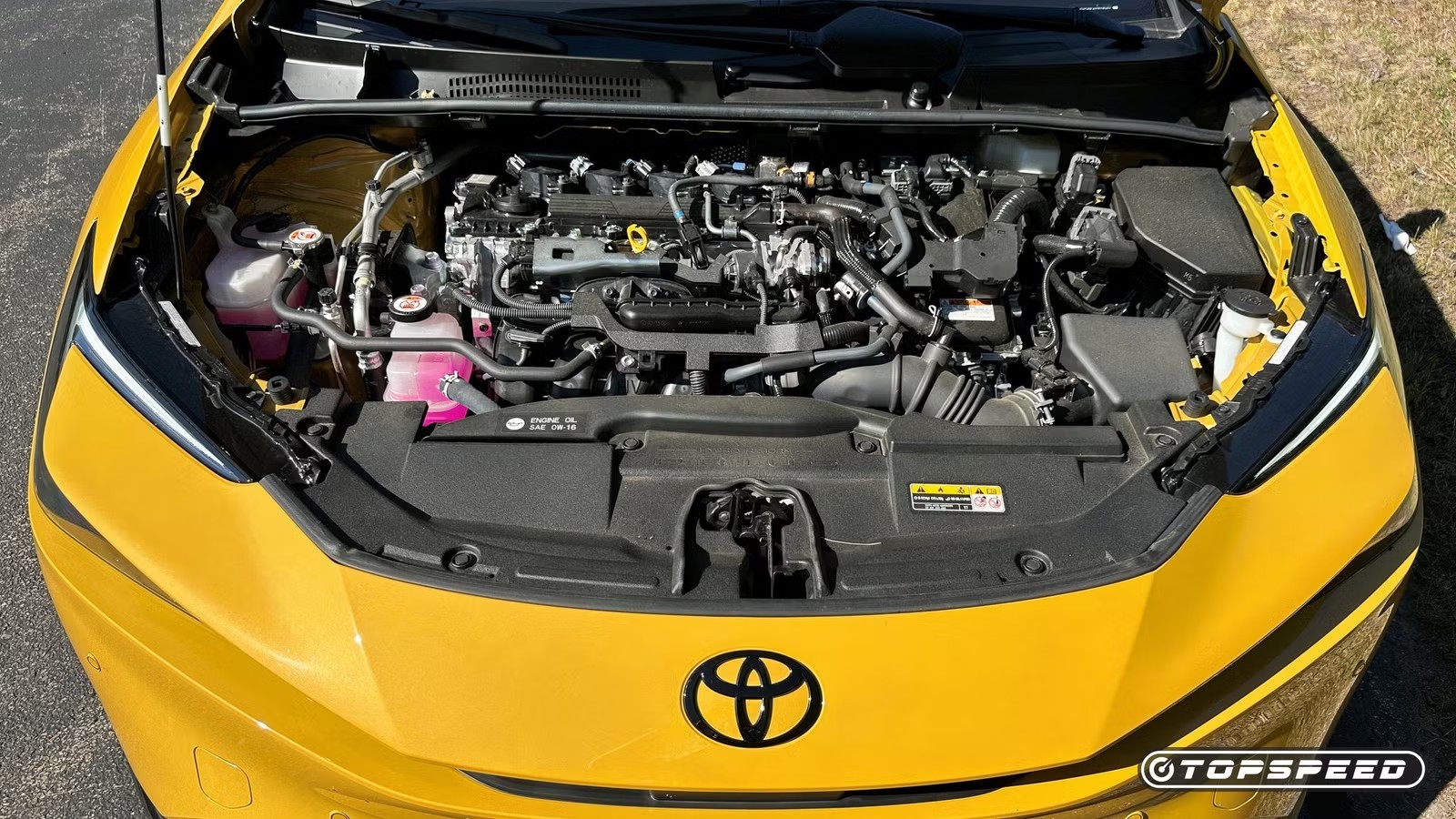
The current-generation Prius is the first to use the fifth-generation Toyota Hybrid System. Gone is the 1.8-liter engine that powered the previous model. In its place sits a 2.0-liter four-cylinder.
Big numbers matter. The system output jumped from 121 horsepower to 194 horsepower. If you want electronic all-wheel drive, you get 196 horsepower.
Power is not just about feeling fast. It is about being fast when you need to be.
That power change redefines the car’s identity.
- 0–60 mph (FWD): 7.2 seconds
- 0–60 mph (AWD): 7.0 seconds
Compare that to the previous Prius, which took 9.8 seconds to hit 60. That is a 2.6-second improvement. In car terms, that is a lifetime.
The only mainstream hybrid sedan that beats it is the Honda Civic Hybrid. Car and Driver clocked the Civic at 6.2 seconds. The Prius is still behind. But it is no longer the slow car in the pack. It is a competitor.
And yet. The fuel economy did not tank.
The old L Eco variant hit 56 MPG combined. The new base LE FWD hits 57 MPG combined.
One more mile per gallon. But with 73 more horsepower.
That is the magic. You get more performance. You get better efficiency. It sounds impossible until you drive it.
Which Prius Trim Should You Choose?
Not all trims are created equal. The base model is the efficiency king. But if you look at higher trims, the numbers shift.
- Base LE FWD: 57 MPG combined
- Higher trims with 19-inch wheels (FWD): 52 MPG combined
- AWD models with 19-inch wheels: 49 MPG combined
The wheels matter. A lot.
Does the Prius Actually Handle Well?
Horsepower is useless if the chassis falls apart.
Toyota lowered the 2023 Prius by two inches. It is one inch wider. The stance is aggressive. The handling matches.
Our review team found the car surprisingly neutral. It doesn’t handle like a sports sedan. It handles like a Prius. But a focused, secure Prius.
Twisty roads don’t feel like a chore. They feel like an event. The reflexes are quick enough to keep up with your thoughts. There is stability. There is comfort. It is exactly what most buyers want.
There is a catch.
The engine noise.
When you push the Prius hard, the gas engine screams. It is the planetary gear e-CVT working as designed. The electric motor carries most of the load, but when it can’t keep up, the engine flares its revs. It gets vocal.
Is it annoying? Sometimes. Is it worse than the dull drone of a traditional CVT? No.
The Trade-Off: Style vs. Aerodynamics
The 2023 Prius is the best-looking Prius ever.
No argument there.
But beauty has a cost. The previous model had a drag coefficient of 0.24. The new model is at 0.27.
It is less aerodynamic.
Toyota knew this. To fix the physics, they reduced the frontal area. By lowering the car, they presented less surface to the wind. It’s a clever engineering hack. Smaller frontal area improves the overall drag area (CdA), offsetting the less slippery shape.
It works. Until you buy the big wheels.
The optional 19-inch wheels on higher trims are stunning. They are the biggest ever fitted to a Prius. But they ruin the efficiency gains.
- Drag Penalty: Larger wheels create more air resistance.
- Rolling Resistance: Wider tires grip more, but burn more energy.
- Availability: The 195/50R19 tire size is nearly exclusive to the Prius. Finding replacements could be a hassle if major manufacturers don’t support it.
You pay for style in MPG. Is it worth it? That is your call.
Why Toyota Did This
This isn’t accidental.
Toyota has been moving toward performance hybrids for years. Remember the Lexus LS 600h? It had a V-8 hybrid system. 438 horsepower. 21 MPG combined. It beat the BMW 760Li on both power and efficiency.
The goal was always the same: blend opulence with innovation.
The new Prius is the democratized version of that philosophy. It brings high-level hybrid tech to a mass-market price point. It makes efficiency emotional.
The Bottom Line
The 2023 Toyota Priuse is not a race car.
It is a 57-MPG car that gets up to speed.
It handles well. It looks good. It offers a choice between maximum efficiency and maximum style. You just have to know what you are signing up for.
If you want the best MPG, stick to the small wheels. If you want to look good in traffic, take the 19-inches.
Just don’t expect it to be quiet when you push it.